Trying to choose between a condo or a townhome in St. Louis Park’s 55416? You’re not alone. Many buyers want low‑maintenance living near shops, parks, and easy commutes, but still wrestle with costs, HOAs, and tradeoffs like privacy and parking.
This guide gives you a clear, side‑by‑side look at condos versus townhomes in 55416, plus the Minnesota‑specific HOA rules and documents you must review before you buy. You’ll also get a simple scoring framework to compare listings confidently and a practical checklist to use during offers. Let’s dive in.
55416 at a glance
ZIP 55416 spans parts of St. Louis Park and adjacent Minneapolis neighborhoods, minutes from downtown and major job centers. Recent market snapshots place median sale prices in the low‑to‑mid $300ks to $400ks depending on the data window and property mix; sources like Realtor.com and other aggregators vary by methodology and month. Always confirm current numbers at the time you shop.
Lifestyle draws are strong here. You have quick access to The Shops at West End for dining and entertainment, and you are a short hop to regional trails and the Chain of Lakes. The METRO Green Line Extension is under construction and scheduled to open in the coming years, with stations in St. Louis Park that should make car‑light living easier and often lift demand near stops. You can learn more about the corridor on the Metropolitan Council’s project page.
Condos vs. townhomes: the core differences
Ownership and legal form
- Condominiums: You typically own the interior of your unit plus a shared interest in common elements. In Minnesota, most condominiums and planned communities are governed by the Minnesota Common Interest Ownership Act (MCIOA, Chapter 515B). It sets rules for disclosures, governance, and unit boundaries. Review the statute here: Minnesota MCIOA, Chapter 515B.
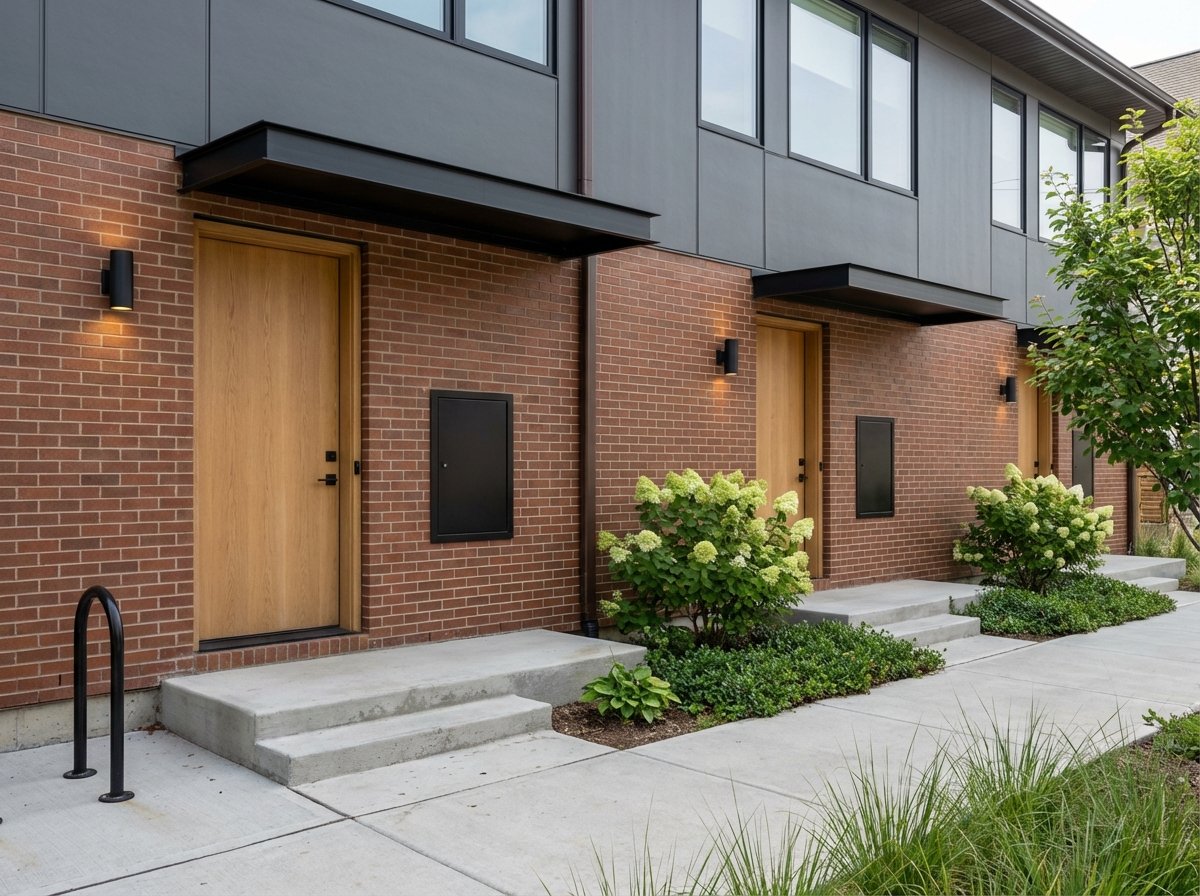
- Townhomes: Many are fee‑simple, which means you own the unit and the land beneath it, and you may still be part of an HOA for shared areas. Some townhomes, however, are organized as condominiums. The recorded declaration and plat control who maintains roofs, siding, and driveways, so verify documents for each listing.
Maintenance and monthly costs
- Condos: Associations often handle exteriors, roofs, snow removal, shared mechanicals, and common utilities or services. You typically carry an HO‑6 policy for interior finishes and personal contents. HOA dues can be a few hundred dollars per month in the Twin Cities metro, and the local median is often above the U.S. median according to national research snapshots. Always compare actual dues and coverage from the resale packet.
- Townhomes: Responsibilities vary widely by community. Fee‑simple owners may be responsible for exterior elements unless the declaration states otherwise. HOAs for townhomes often cover landscaping, internal roadways, and some exteriors. That variation explains why townhome dues can be lower or higher than condo dues depending on what is covered.
Layouts and lifestyle tradeoffs
- Condos: Usually single‑level living in low‑ to mid‑rise buildings. Pros include less day‑to‑day maintenance and potential building amenities. Cons can be limited private outdoor space and higher monthly dues.
- Townhomes: Often multi‑level with 2–3+ bedrooms and an attached garage. Pros include more separation of space and a house‑like feel. Cons can include more owner responsibilities and exposure to one‑time capital costs if exteriors are not covered by the HOA.
Quick comparison: condo vs. townhome in 55416
| Factor |
Typical Condo |
Typical Townhome |
| Monthly cost |
Mortgage + tax + HOA dues that may be higher, plus HO‑6 |
Mortgage + tax + HOA dues that vary by coverage, plus HO‑3/HO‑5 |
| Maintenance |
HOA handles most exteriors and common areas |
Owner may handle exteriors unless HOA covers them |
| Layout |
Single‑level, 1–2 BR common |
Multi‑level, 2–3+ BR with private entry |
| Outdoor space |
Limited (balcony) |
Often patio, small yard |
| Parking |
Assigned or deeded stall, sometimes underground |
Attached/deeded garage common |
| Financing |
Condo project may need lender approval for some loans |
Often under single‑family guidelines if fee‑simple |
| Resale factors |
Amenity set, rental rules, project approval matter |
Garage, private entry, lower dues can help liquidity |
HOA governance and what you must review in Minnesota
Required resale disclosures
Under MCIOA, sellers or the association must provide a resale disclosure certificate and key documents. The certificate is dated within a statutory window and includes budgets, reserves, rules, and other items defined by law. Make sure you receive and review the full packet before finalizing your purchase. See the rule set in MCIOA Chapter 515B.
Document checklist to request
- Resale disclosure certificate within the statute window.
- Governing documents: declaration/CC&Rs, bylaws, rules and regulations.
- Latest adopted budget and balance sheet, with reserves separate from operating.
- Reserve study or board reserve policy, and the date of last reevaluation. Minnesota requires a periodic reevaluation, typically at least every third year unless the declaration says otherwise. See MCIOA Chapter 515B.
- Minutes for the last 12–24 months and records of special assessments.
- Capital project plans, bids, or contracts.
- Insurance summary and master policy declarations, including deductibles.
- Any pending litigation disclosures and management contracts.
For consumer help navigating your rights and records access, the Minnesota Department of Commerce operates a Common Interest Community Ombudsperson who offers guidance and informal mediation. Explore the resource here: CIC Ombudsperson, MN Department of Commerce.
Red flags to watch
- Very low reserve balances for the building’s age and systems.
- Frequent or large special assessments within the last 5–10 years.
- High owner delinquency rates or recurring lien activity.
- Open or recurring litigation.
- Missing, incomplete, or hard‑to‑access financials and meeting minutes.
- Frequent management turnover.
- Unclear insurance coverage or unusually high master policy deductibles.
Financing, insurance, and resale considerations
Loan programs and project approvals
If you plan to use FHA or VA financing, confirm eligibility early. Many condo loans require project‑level checks for items like owner‑occupancy ratios and delinquencies. If a project is not pre‑approved, single‑unit approvals may still be possible but can add time and conditions. Fee‑simple townhomes often underwrite like single‑family homes, which can simplify financing.
Insurance must‑knows in Minnesota
- Condos: You typically carry an HO‑6 policy for interior finishes, personal property, and liability. Ask your insurer about loss‑assessment coverage, which can help if a master policy deductible or limit triggers an owner assessment. This overview is helpful: What an HO‑6 policy covers.
- Townhomes: If you hold fee‑simple title and exteriors are your responsibility, you will likely carry an HO‑3 or similar policy. In cold climates, clarity on who covers ice dams, frozen pipes, and exterior issues is essential. Check the declaration and the master policy carefully.
Resale and rental rules
HOA rental caps, owner‑occupancy levels, and loan program eligibility all affect future resale liquidity. If rental flexibility is important to you, review leasing policies early and note any municipal short‑term rental rules.
Score your short list with this simple rubric
Use a 1–5 score for each factor, where 1 is poor fit and 5 is excellent fit. Add them up to compare options.
- Monthly cost predictability
- Upfront risk exposure (special assessments)
- Long‑term cost outlook (age, reserves, major systems)
- Financing fit (FHA/VA needs, project approval)
- Lifestyle fit (single‑level vs multi‑level, garage, outdoor space)
- Privacy/noise expectations (stacked vs side‑by‑side)
- Walkability and transit (West End, future Green Line, trails)
Example A: Mid‑rise condo near West End
- Monthly cost predictability: 3
- Upfront risk exposure: 4
- Long‑term cost outlook: 3
- Financing fit: 3
- Lifestyle fit: 4
- Privacy/noise: 3
- Walkability/transit: 5
- Total: 25/35
Example B: Fee‑simple townhome with 2‑car garage
- Monthly cost predictability: 4
- Upfront risk exposure: 3
- Long‑term cost outlook: 4
- Financing fit: 4
- Lifestyle fit: 5
- Privacy/noise: 4
- Walkability/transit: 3
- Total: 27/35
Offer timelines and contingencies
Build in time to get and review the full resale packet. A 7–14 day document‑review window is common and gives you space to consult your lender, insurer, or an attorney if needed. Associations sometimes need several days to produce documents, so plan ahead and ask the listing agent if a recent packet is already on hand.
Daily convenience in 55416
You can run nearly every errand close by. For shopping, dining, and entertainment, browse The Shops at West End. For commuting, future light rail access via the Green Line Extension should further improve connectivity across the metro. Stay informed on timing and stations through the Metropolitan Council’s project page. For estimating property taxes as you compare listings, use Hennepin County’s guide and lookup tools: Hennepin County property taxes.
Ready to compare specific buildings or townhome communities in 55416? Our team can help you line up HOA documents, budget comparisons, and lifestyle fits so you can buy with clarity.
If you want calm, data‑informed guidance tailored to St. Louis Park, connect with John Brekken to start your plan.
FAQs
What is the legal difference between condos and townhomes in Minnesota?
- Condos typically convey ownership of the unit’s interior plus a shared interest in common elements, while many townhomes are fee‑simple and include the land. Always confirm responsibilities in the recorded declaration and review MCIOA Chapter 515B.
What do condo HOA dues typically cover in St. Louis Park 55416?
- Many cover exterior maintenance, roof, snow removal, common utilities, and shared amenities, but specifics vary by building. Verify inclusions, master‑policy details, and any pending assessments in the resale packet.
Can I use FHA or VA financing for a 55416 condo?
- Often yes, but your lender may need to review the condo project’s eligibility and metrics like owner‑occupancy and delinquencies. If a project is not pre‑approved, a single‑unit approval may be possible but requires extra steps. Townhomes that are fee‑simple often underwrite like single‑family homes.
What insurance do I need for a condo or townhome in Minnesota?
- Condo owners usually carry an HO‑6 policy that covers interior finishes and personal property and may include loss‑assessment coverage; townhome owners with fee‑simple title often use an HO‑3 policy that covers the structure. Confirm coverage divisions in the HOA documents and review HO‑6 basics.
How will the Green Line Extension affect condo and townhome demand?
- Transit access typically supports demand for apartments, condos, and townhomes near stations by improving commute options. Learn more about the project scope and timing on the Metropolitan Council’s overview.
How can I estimate property taxes for a 55416 condo or townhome?
- Use Hennepin County’s property tax resources and lookup tools to estimate taxes for specific properties and parcels. Start here: Hennepin County property taxes.