Proven Pricing Strategy for Southwest Minneapolis Homes
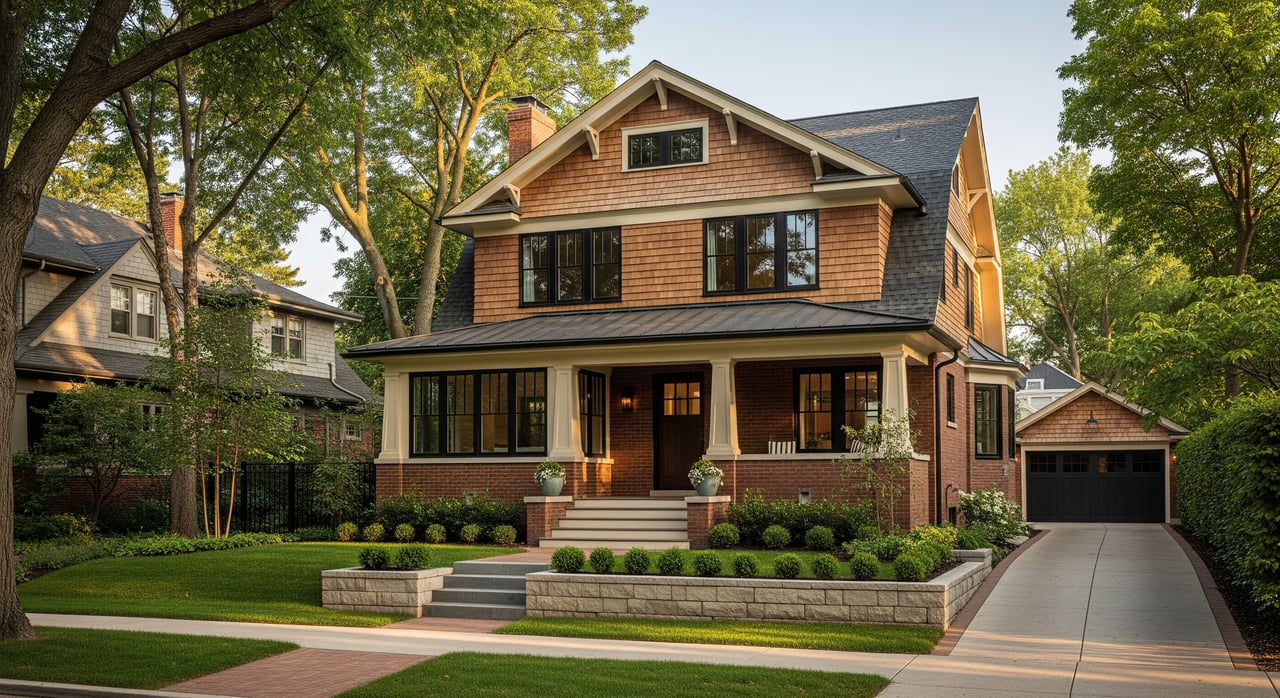
Are you wondering how to price your Southwest Minneapolis home so it sells quickly and for a strong number? You are not alone. Pricing can feel like a moving target, especially when homes near the lakes or in different pockets of Linden Hills, Fulton, Lynnhurst, Kenny, Armatage, Kingfield, and Uptown-area blocks perform differently. In this guide, you’ll learn the key market signals to watch, how to build a tight comp set, and the practical tactics we use to launch listings with confidence. Let’s dive in.
Southwest Minneapolis is a cluster of micro-markets that move at different speeds. Proximity to Lake Harriet and the parkways, walkable retail districts like Linden Hills, access to bike routes, and nearby schools all influence buyer demand. Housing stock ranges from early 20th century bungalows and Tudors to newer infill homes, so condition and recent updates matter a lot.
Because conditions shift by block and by season, you should monitor current local indicators before you set a list price. Look at median sale price trends, months of inventory, absorption rate, days on market, and list-to-sale price ratio for the past 3 to 12 months. Pull neighborhood-level data and compare it to city-wide trends so you can price to the market that will buy your home.
Start with a Comparative Market Analysis that focuses on recent closed sales within a tight radius. Aim for similar beds, baths, lot size, and vintage. Adjust for meaningful differences like finished basement, garage size, permitted additions, and quality of kitchen and bath updates. Use closed sales as your anchor, pending sales to read momentum, and active listings to understand your current competition.
Price per square foot is a quick check, not a final answer. Bungalows, Tudors, and newer infill homes trade at different price points even at similar sizes. Finished basements, ceiling height, layout efficiency, and overall design all change perceived value. Compare PSF only within tight cohorts that mirror your home’s style and finish level.
Months of inventory and absorption rate tell you how quickly the market is clearing. When months of inventory are low, pricing at or slightly above comps can work. When inventory rises and DOM lengthens, it is safer to target market-priced or slightly under-market to stimulate activity. Watch list-to-sale ratios to gauge whether buyers are paying at, above, or below list.
Homes with easy access to Lake Harriet, the parkways, and neighborhood parks often command a premium. Even a short difference in walking distance can change your comp set.
Historic character sells in Southwest Minneapolis, but condition sells first. A well-preserved Linden Hills bungalow with updated systems and kitchens will position differently than one needing major mechanical or bath updates. Newer or gut-renovated homes near Uptown may support higher PSF, but only when compared to similar quality comps.
Larger or more private lots, south-facing yards, and usable outdoor areas improve buyer appeal. Off-street parking and garages matter in city neighborhoods. Confirm zoning and permit history if an accessory dwelling unit or carriage house is part of the value story.
Finished basements are common and can be a big value driver. Be clear about what counts as finished square footage and compare to comps with similar basements. High-quality lower-level finishes often push buyers to stretch.
Walkability to shops, cafes, and transit can influence search behavior. Note commute routes and any planned service changes. Present these as lifestyle features, not price promises.
Pricing above the market without a strong condition story is risky. Roof, foundation, HVAC, electrical, plumbing, and window age all affect buyer confidence. If you price at the top of the range, be ready to justify with recent capital improvements.
List at what the comps support. This approach maximizes the chance of a clean sale close to fair market value and reduces appraisal risk when the CMA is strong.
Price a touch below the comp-supported number to create urgency and attract multiple offers. The risk is selling under potential if buyer activity is more cautious than expected.
Testing the market high can lead to longer DOM, fewer showings, and later reductions. Stale listings often net less than a well-calibrated launch.
Many buyers filter searches by price brackets. Pricing just below a common threshold can increase visibility. Align your ask with how your target buyers actually search.
Spring and early summer often see more buyer activity in Minneapolis, though block-level demand varies. In slower months, competitive pricing and strong presentation help you stand out.
When interest is strong, an offer deadline can consolidate demand. Weigh the value of escalation clauses and non-price terms like financing strength, inspection flexibility, and preferred closing date. A slightly lower offer with cleaner terms can be the better net.
If activity misses expectations, a timely, measured adjustment is more effective than waiting. Frequent or large cuts can signal weakness. Review showing feedback and refresh marketing before you change price.
Buyers pay for what they can see and trust. Cost-effective improvements often produce the best return: fresh neutral paint, minor repairs, deep cleaning, decluttering, focused landscaping, and professional staging. Premium photography and floor plans help buyers understand value online.
If larger projects are needed, weigh the expected lift against cost and timing. Full kitchen or bath overhauls do not always return dollar-for-dollar. When it is smarter to sell as-is, disclose clearly and price accordingly.
As a Compass team, we use a 3-phased marketing strategy that sequences Private Exclusive, Coming Soon, and full-market launch. This cadence lets us test messaging and price, capture early interest, and hit the open market with momentum. When appropriate, Compass Concierge can front the cost of strategic improvements that enhance perceived value and speed.
Appraisals are grounded in comps. If you push price ahead of the data, you may face an appraisal gap that requires more cash from the buyer or renegotiated terms. Strong prep and a well-supported CMA reduce risk. If a gap arises, options include appraisal contingency adjustments, buyer gap coverage, or targeted concessions that protect your net.
You deserve a plan that respects your goals and the nuances of your block. If you want a calm, data-informed path from valuation to launch, we are here to help. Connect with John Brekken for a neighborhood-specific pricing strategy and a polished, phased marketing plan.
Stay up to date on the latest real estate trends.


Jenny Lappegaard
Clients and cohorts alike, appreciate our unique combination of analytics, creativity, and calm leadership style. While working to manage, improve and buy/sell our properties, we realized we were drawn to the idea of helping others with their real estate needs.