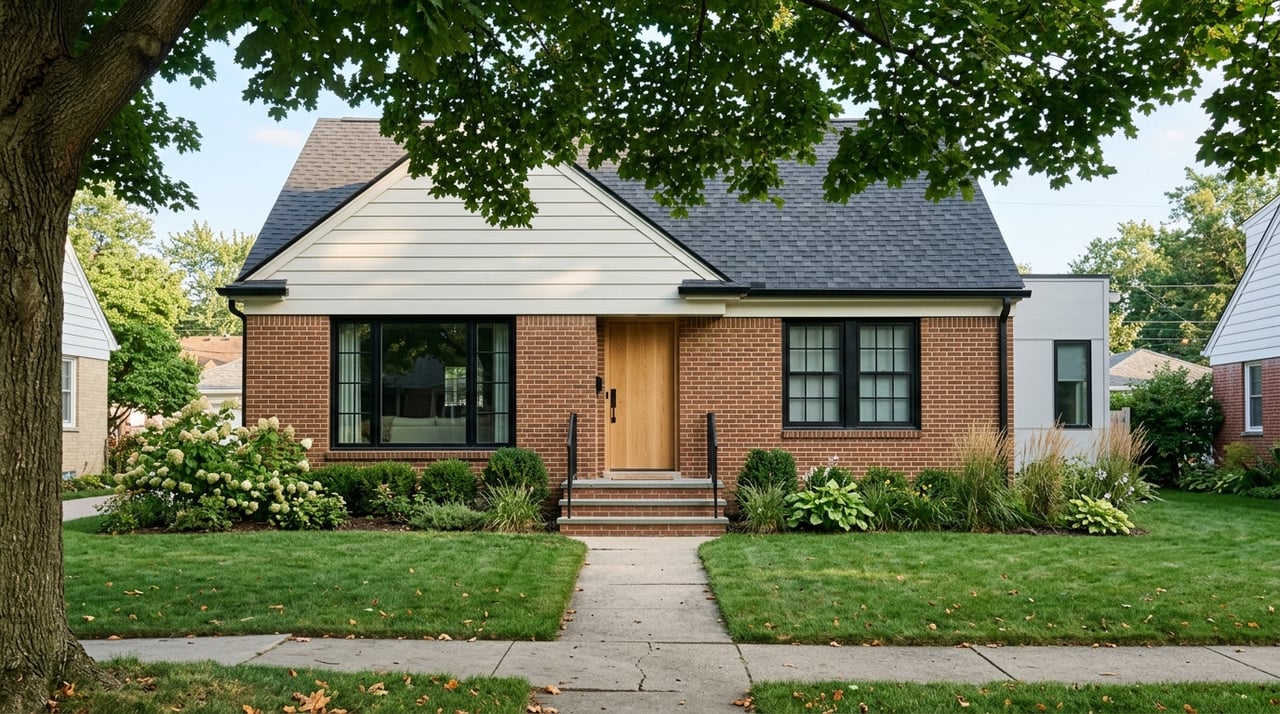
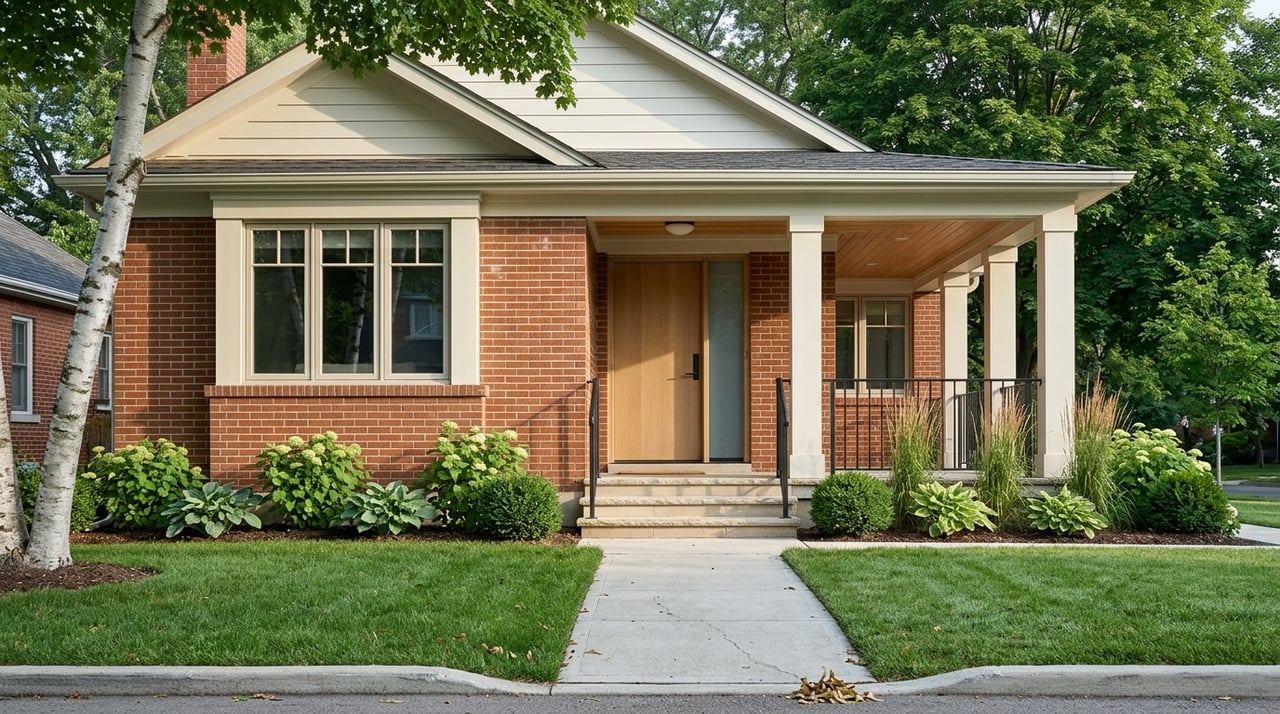
Thinking about a townhome or a single-family house in St. Paul? You are not alone. With four true seasons, active neighborhoods, and a wide range of housing styles, the right choice comes down to how you want to live, what you want to spend monthly, and how much control you want over maintenance. In this guide, you will learn the core differences in ownership, costs, financing, lifestyle, and resale so you can choose with confidence. Let’s dive in.
Ownership basics in St. Paul
Owning a single-family house typically means fee simple ownership of the home and the lot. You control the structure and the land, and you are responsible for exterior upkeep. A townhome may be fee simple for the unit and a small lot, or it may be a condominium form where an association maintains common elements. In St. Paul you will see both setups, so read the legal description and ask for the governing documents early.
Associations and rules
Many townhomes sit inside a homeowners or condo association. The association operates under CC&Rs and bylaws and sets rules for maintenance, use of common elements, and community standards. Expect guidelines about exterior changes, pets, rentals, satellite dishes, and parking. You trade some control for shared services like snow removal, lawn care, and exterior repairs.
Shared walls and common elements
Townhomes often share walls and may share roofs, driveways, or green space. This affects noise, privacy, and where one owner’s responsibility ends and another’s begins. It also affects insurance because the master policy usually covers common elements while you cover your interior with a unit policy.
What to request upfront
- Association budget and most recent financials
- Reserve study and any planned special assessments
- CC&Rs, bylaws, and house rules (pet, rental, parking)
- Insurance certificate with master policy details and deductibles
- Meeting minutes and any pending litigation
Monthly costs: what to budget
Your monthly payment is more than the mortgage. Compare full ownership costs for each option so you get a true picture.
Mortgage, taxes, and HOA dues
- Property taxes: Both houses and townhomes pay Ramsey County property taxes based on assessed value. Check the parcel record for the current bill before you write an offer.
- HOA dues: Townhome and condo dues can be a major swing factor. They often cover exterior maintenance, landscaping, snow removal, trash, insurance for common elements, and reserves. Ask for past dues history and whether increases are planned.
- Utilities: Townhomes may have shared water or split utilities, while houses typically have individual meters. Ask for 12 months of utility history if available.
Insurance differences
- House: You will likely carry a standard dwelling policy (often called HO-3) for the structure, plus personal property and liability.
- Townhome/condo in an association: You will likely carry a condo unit owner policy (often called HO-6) that covers your interior finishes, personal property, and liability. The association’s master policy covers common elements. Confirm master policy limits and deductibles to make sure your policy fills any gaps.
Maintenance and reserves
Houses demand more hands-on or contracted exterior work: roof, siding, gutters, lawn care, and tree work. Townhomes reduce those tasks through the association, but you pay for that convenience in dues and special assessments when big projects arise. Build a modest monthly reserve no matter what you buy so you are ready for repairs.
Financing: approvals and project health
Financing is straightforward for most single-family homes. Townhome and condo loans can be more complex because lenders evaluate the project and association, not just the unit.
What lenders look for in associations
- Project approval or certification for certain loan types
- Owner-occupancy ratios and investor concentration
- Delinquency rates on dues and any litigation
- Adequate reserves and sound budgeting
If the project is not approved or has red flags, you may need a larger down payment or a different loan product. Start with a lender early and share the association documents as soon as you have them.
Down payment assistance and programs
If you are a first-time buyer or need help with upfront costs, look into programs through Saint Paul and Minnesota housing agencies. Eligibility varies by income, purchase price, and property type. Confirm details with your lender before you shop so your search aligns with program rules.
Location and daily living in St. Paul
St. Paul’s neighborhoods offer distinct lifestyles. Townhomes cluster near downtown and transit corridors, while single-family homes are common in traditional residential areas. Your routines, commute, and hobbies should guide your choice.
Where you will find each type
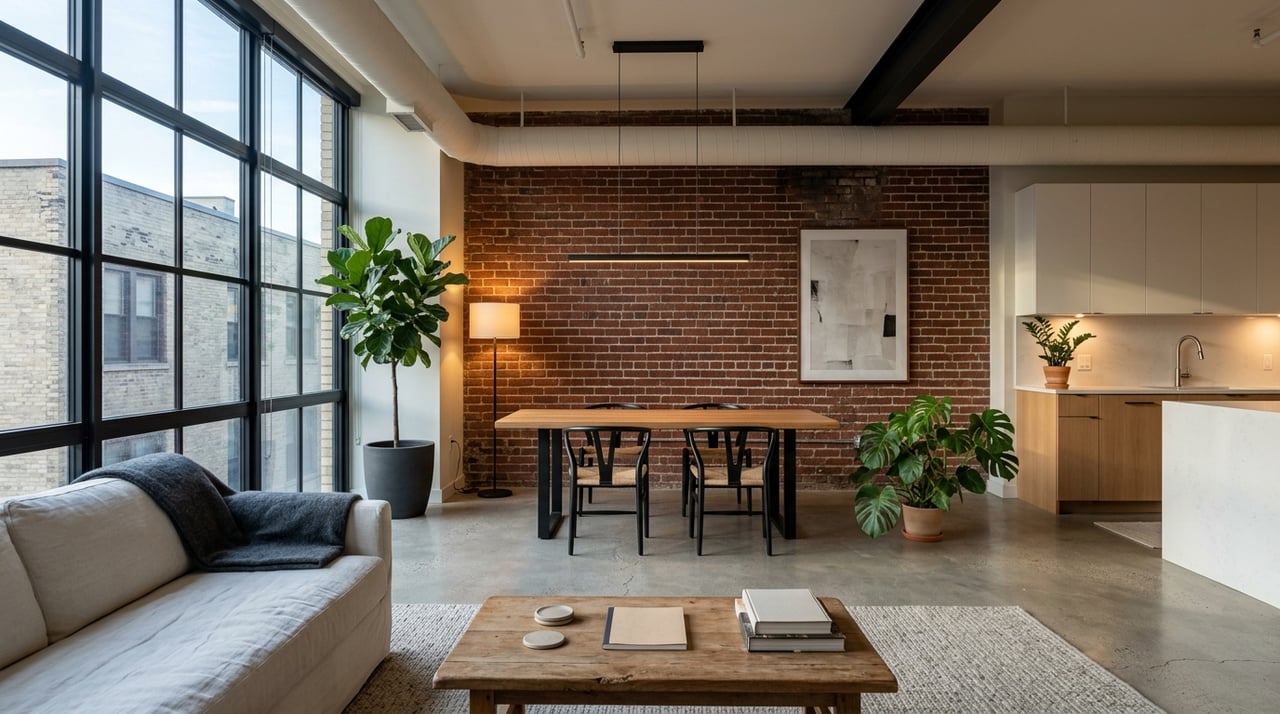
- Townhomes and condos: More common in Downtown and Lowertown, parts of West 7th, and near light rail and bus routes. You may also see newer infill projects in walkable pockets near parks and dining.
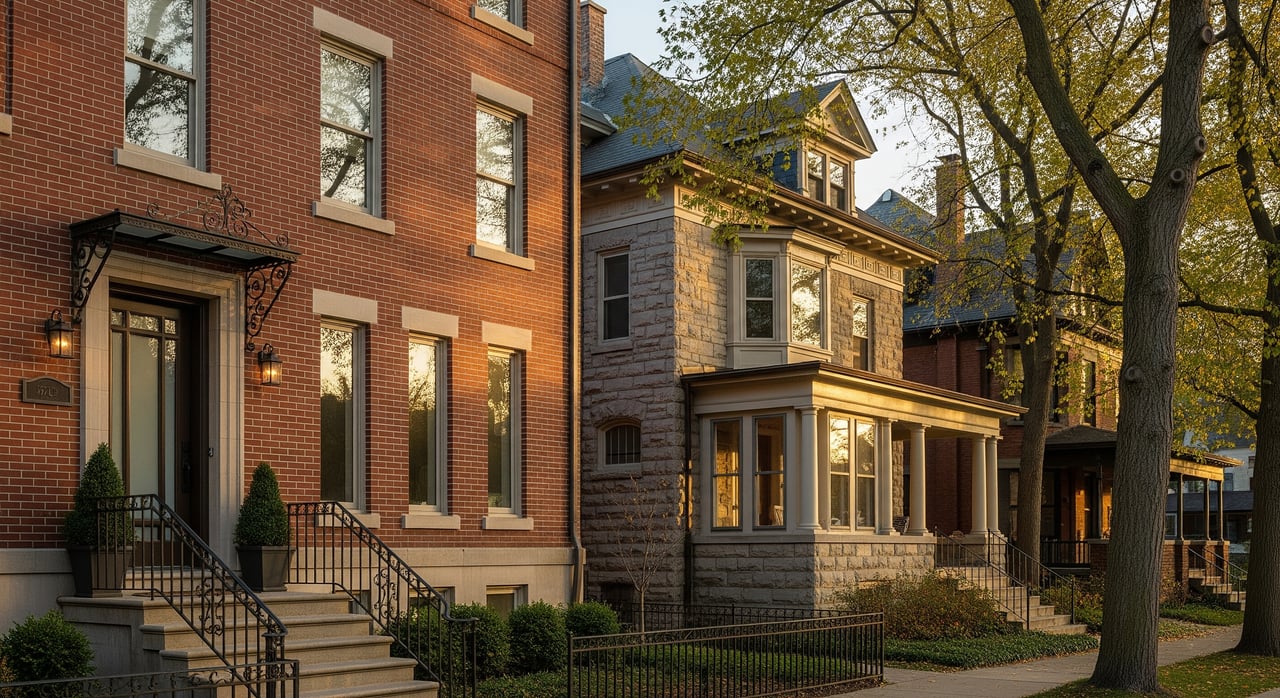
- Single-family houses: Widespread in Highland Park, Macalester-Groveland, Como Park, Battle Creek, and across the East Side. Expect a mix of lot sizes, older homes with charm, and established streets.
Commute, transit, and parking
Proximity to light rail, bus lines, and major highways matters if you commute to Minneapolis or within the east metro. Many townhomes offer attached garages or assigned parking, while some rely on street parking. Learn St. Paul’s snow emergency rules and parking restrictions so you are prepared in winter, especially if you will park on-street.
Space, noise, and outdoor living
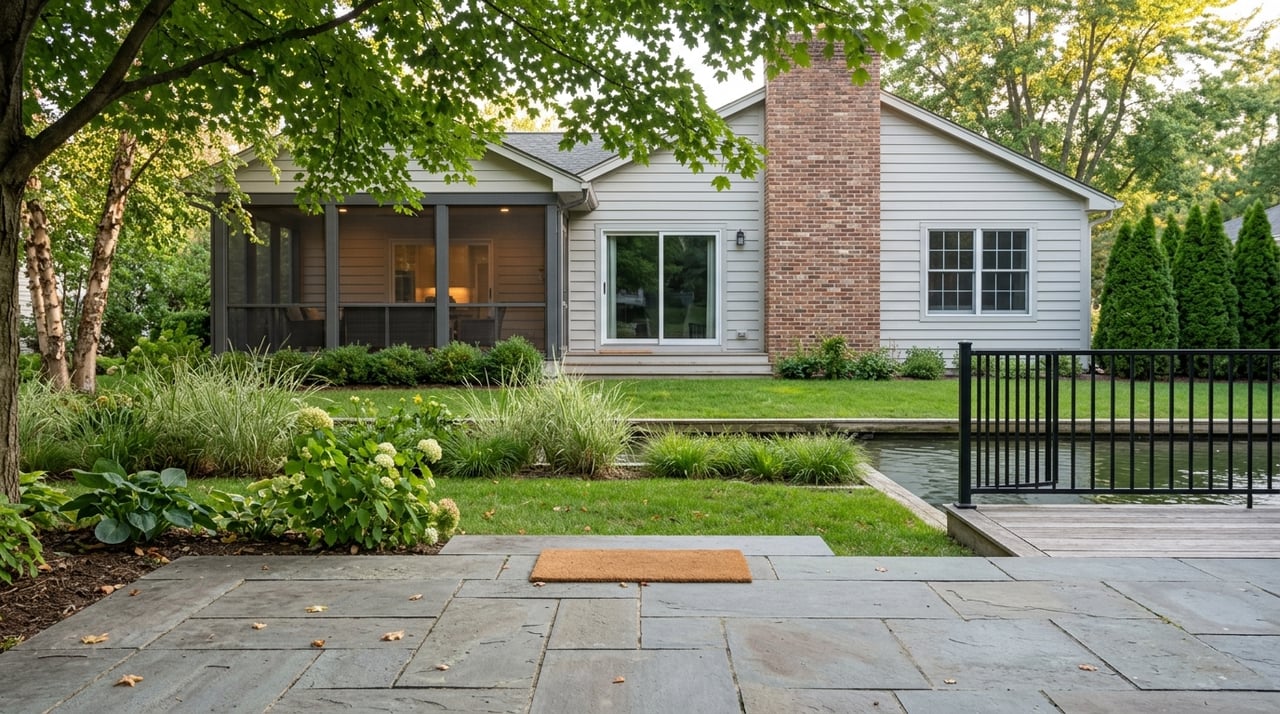
Houses usually offer more privacy and yard space for gardening, pets, and play. Townhomes may have a small patio or deck plus shared green areas. Shared walls can raise noise concerns, so ask about construction type and insulation, and visit the property at different times of day.
Resale and marketability
Both townhomes and houses can sell quickly when priced and presented well. What changes is the buyer pool and the factors that influence demand.
Who buys what
- Townhomes: Often appeal to first-time buyers, downsizers, and anyone who wants lower exterior maintenance and a location near transit or downtown.
- Houses: Often appeal to buyers seeking a yard, more storage or workshop space, and greater control over exterior changes and additions.
What affects resale
- Location: Proximity to parks, transit, and amenities drives interest across property types.
- Condition and presentation: Updated systems, neutral finishes, and polished staging help any listing stand out.
- Association health: For townhomes and condos, strong reserves, clean financials, and lenient financing eligibility expand your future buyer pool.
- Market cycles: In tight markets, well-located townhomes can move fast. In slower cycles, unique single-family homes can take longer, but standout features can still command attention.
Buyer checklist: compare with clarity
Use this quick list when you tour homes and request documents.
- Pricing and taxes: Review neighborhood comparables and current Ramsey County tax data for the property.
- Inspection and testing: Order a general inspection and radon test. In older St. Paul homes, also watch for lead paint, outdated wiring, and possible asbestos in older materials.
- Townhome or condo items: Read the budget, reserves, CC&Rs, meeting minutes, insurance master policy, and litigation disclosures. Confirm any rental caps and pet rules.
- Financing: Ask your lender to review the project for eligibility. Confirm owner-occupancy ratios and any restrictions that could affect your loan.
- Practical living: Confirm parking ownership, snow removal policies, trash and recycling schedules, and utility arrangements.
- Location fit: Check transit access, typical commute time, sidewalk conditions, and school boundary information if that matters for your household.
Seller checklist: prep for a clean sale
Make it easy for buyers to say yes by assembling the right information upfront.
- Townhome or condo sellers: Provide a complete association packet, including budget, reserves, insurance certificate, CC&Rs, meeting minutes, and any pending assessments. Document maintenance history for shared systems.
- House sellers: Highlight lot features, permits for improvements, and updates to roof, siding, windows, HVAC, and plumbing. Disclose any private easements or assessments that affect the property.
- Presentation and timing: Consider staging guidance, premium photography, and a planned launch to build momentum. Strong presentation supports faster results.
Which is right for you? A quick guide
Choose a townhome if you want low exterior maintenance, a location closer to urban amenities, and predictable shared services. Be ready to follow association rules and budget for HOA dues. You will still want a reserve for interior updates and repairs.
Choose a single-family house if you want a yard, more privacy, and full control over exterior changes and additions. Plan for ongoing exterior maintenance and seasonal tasks, and set aside funds for major projects like roofs or siding.
If you are on the fence, compare two or three options side by side in the same neighborhood. Keep your analysis focused on total monthly cost, commute and daily rhythms, and long-term flexibility.
Next steps
- Talk with a lender about loan types and any association requirements.
- Request the full HOA or condo packet before you commit.
- Order a home inspection and radon test, and budget for any immediate fixes.
- Review Ramsey County tax records and the property’s permit history.
When you are ready, connect for a neighborhood-first plan tailored to your move. Our team pairs calm, data-informed guidance with high-level presentation so you can buy or sell with confidence. Reach out to John Brekken to get started.
FAQs
What is the core ownership difference in St. Paul?
- A single-family house is usually fee simple ownership of the home and lot, while a townhome may be fee simple for the unit or a condo form within an association that manages common elements.
How do HOA fees affect my monthly budget?
- HOA dues add to your monthly cost but often cover exterior maintenance, snow removal, landscaping, trash, and shared insurance; weigh dues against the time and cost of doing those tasks yourself in a house.
Are townhomes harder to finance than houses?
- Sometimes; lenders review the association’s health and project eligibility, and stricter rules can limit loan options, so share the HOA documents with your lender early.
What should I review before buying into an association?
- Review the budget, reserve study, CC&Rs and rules, meeting minutes, insurance details, and any planned special assessments or litigation to gauge risk and future costs.
How does winter impact the choice in St. Paul?
- Townhomes often include snow removal through the association, while houses require owner management; also learn city snow emergency rules and parking restrictions if you rely on street parking.
Which option usually offers more privacy and outdoor space?
- Single-family houses typically provide more separation from neighbors and larger yards for gardening, pets, and play, while townhomes may offer small patios or shared green space.