Southwest vs Downtown Minneapolis Living: What to Know
If you are deciding between Southwest Minneapolis and Downtown Minneapolis, you are really choosing between two very different ways of living. One offers a more residential rhythm shaped by lakes, parks, and neighborhood business districts. The other puts you in the middle of a dense urban core with rail access, entertainment, and mixed-use buildings all around you. This guide will help you compare the feel, housing, transportation, and daily lifestyle of each area so you can narrow in on the right fit. Let’s dive in.
The clearest difference is this: Southwest Minneapolis feels more residential and lake-oriented, while Downtown Minneapolis feels more urban and mixed-use.
Southwest Minneapolis is commonly framed as the southwest corner of the city, especially Ward 13 neighborhoods such as Armatage, East Harriet, Fulton, Kenny, Linden Hills, and Lynnhurst. The city describes Ward 13 as an area with both rental and owner-occupied homes, active parks, and neighborhood business districts. By contrast, Downtown Minneapolis is the city core, where areas like Downtown West serve as a business hub with Nicollet Mall, theaters, and skyway-connected amenities, according to the City of Minneapolis.
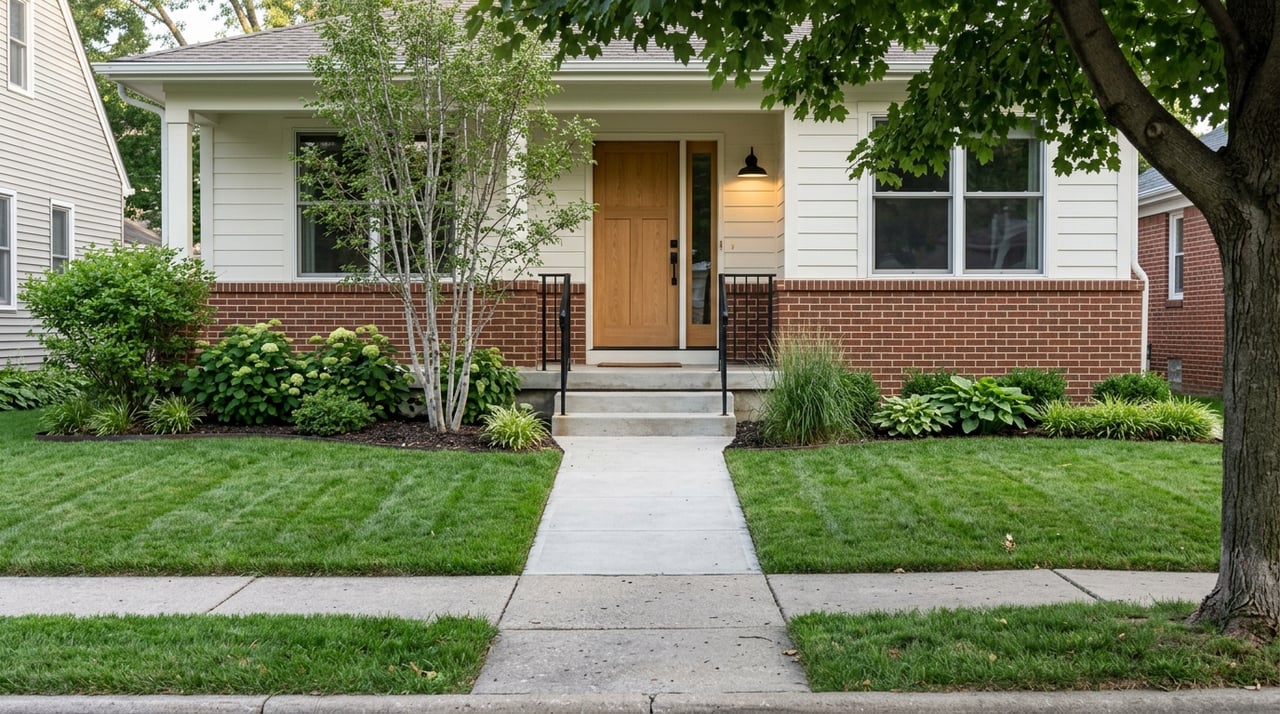
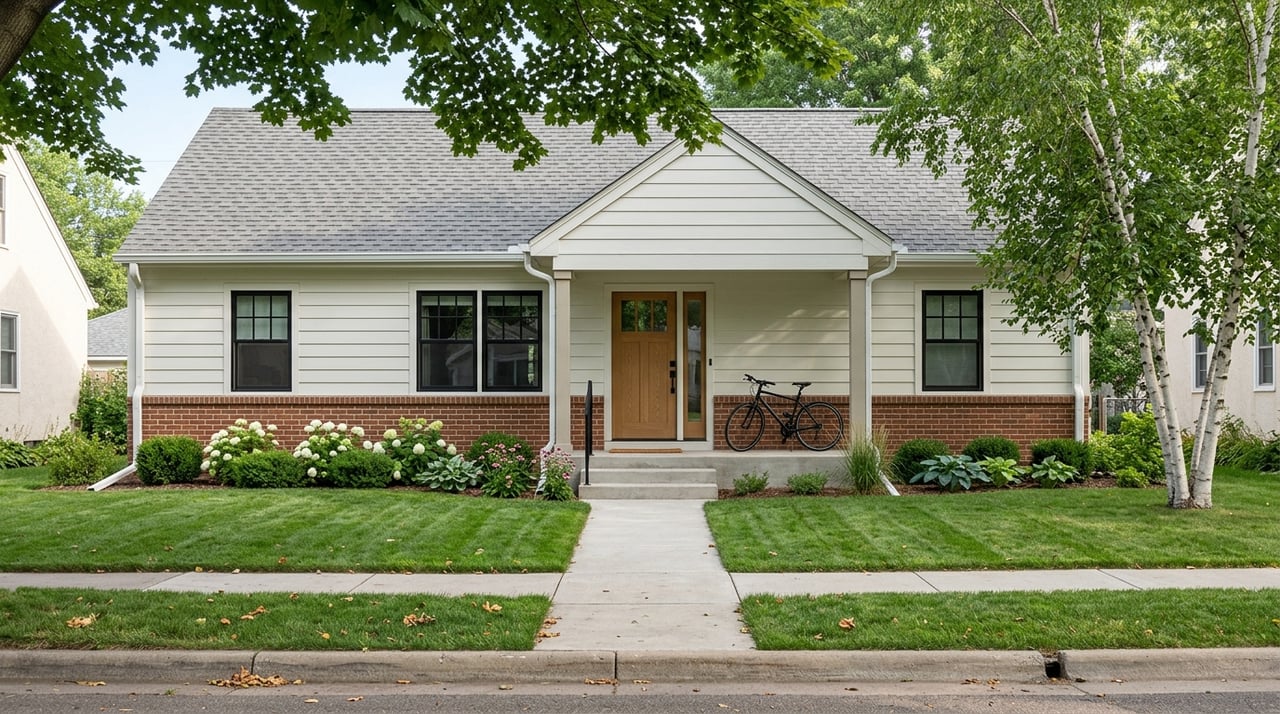
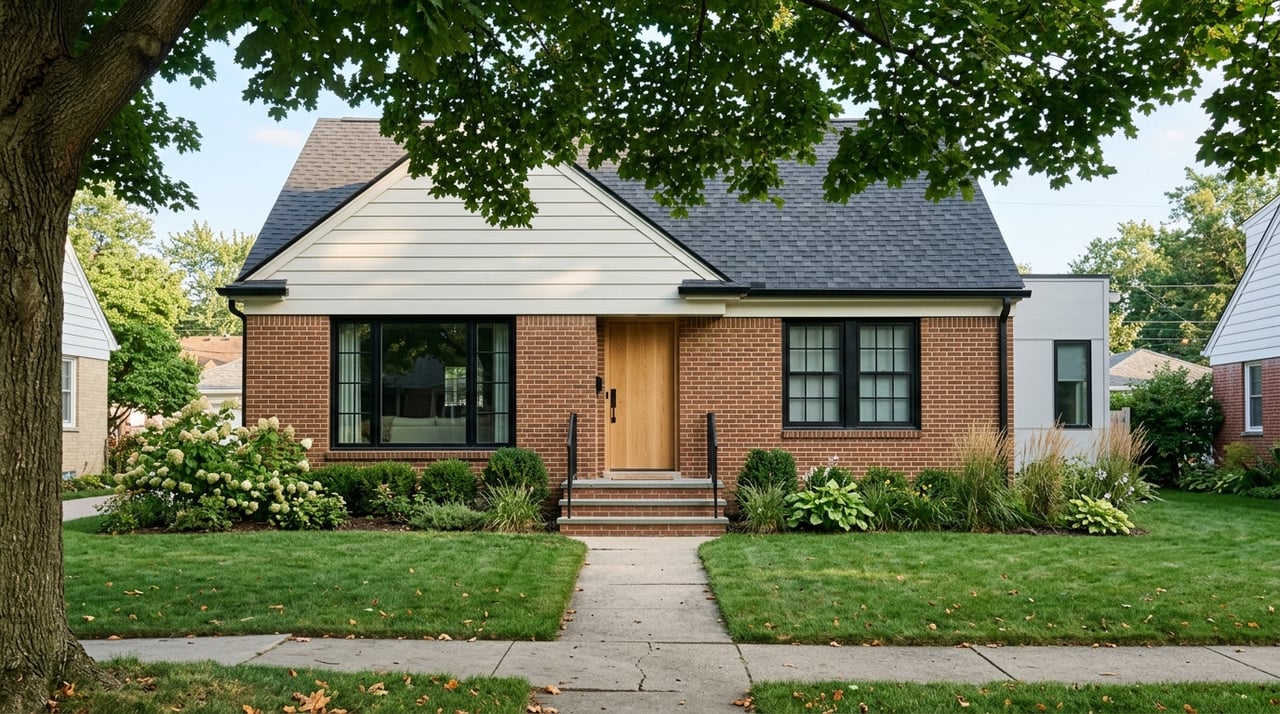
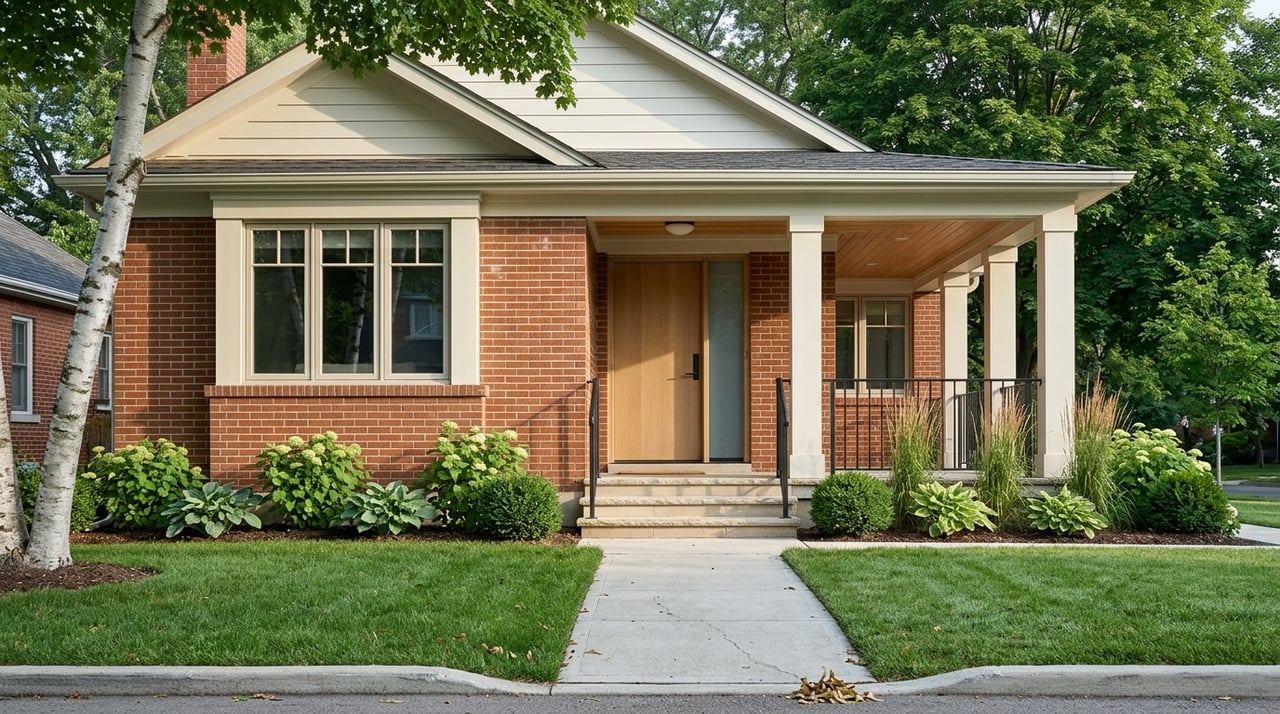
If you picture tree-lined streets, larger lots, and a strong residential feel, Southwest Minneapolis may align more closely with what you want. The Lynnhurst Residential Historic District guidelines note that homes there were constructed as single-family homes, with landscaped boulevards and mature trees. That does not mean every home in Southwest is the same, but it does show the area’s more traditional residential pattern.
Ward 13 as a whole still includes a mix of rental and owner-occupied homes. Even so, the overall fabric remains predominantly residential, which is part of why many buyers are drawn to the area when they want a neighborhood setting with a little more breathing room. You can see that context in the city’s Ward 13 overview and the Lynnhurst district report.
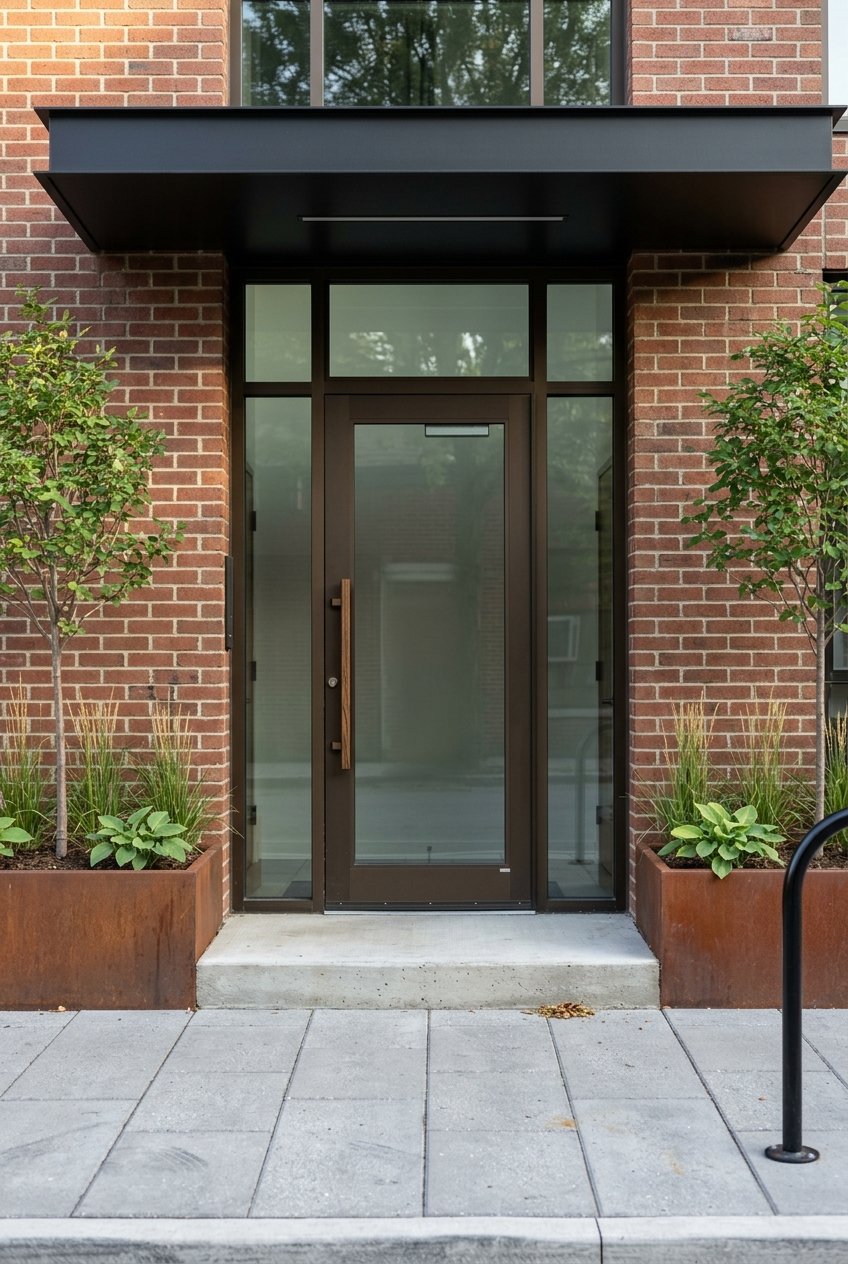
Downtown Minneapolis offers a very different built environment. The city describes Downtown West as best known for commercial and mixed-use buildings, and the Harmon Place Historic District includes downtown apartment buildings within a mixed-use setting. This is the kind of area where residential living is closely tied to offices, restaurants, entertainment, hotels, and services.
Downtown is also evolving. Minneapolis adopted an office-to-residential conversion ordinance in 2024 to make it easier to turn underused office buildings into housing, and the city said downtown’s residential population surpassed 60,000 in 2025, according to city materials. If you want condo, apartment, or mixed-use living in a higher-density setting, downtown naturally offers more of that experience.
For buyers who want easy access to transit, Downtown Minneapolis has a clear advantage in network density. Metro Transit says five downtown Minneapolis stops are shared by the Blue and Green lines. The Orange Line also uses Marquette and 2nd Avenues and connects to the Blue and Green lines at 5th Street.
Downtown also benefits from the Downtown Zone, which lets riders travel to most downtown stores, restaurants, and businesses for 50 cents on bus or rail. If you value rail connections and easy movement within the core, the Metro Transit line overview is a strong point in downtown’s favor.
Southwest Minneapolis is not as rail-centered, but transit has improved along key corridors. Metro Transit says the E Line opened on Dec. 6, 2025, running along University, Hennepin, and France avenues between the University of Minnesota and Edina, with trips up to every 10 minutes. The same service change also restored Route 156 express service between southwest Minneapolis and downtown Minneapolis.
That makes Southwest more of a corridor-based commute pattern than a central transit hub. For many buyers, that works well, especially if you want a more residential setting without giving up practical access to downtown and other parts of the city. You can review those changes through Metro Transit’s service update.
If your ideal Minneapolis lifestyle includes frequent walks, bike rides, lake access, or time outdoors close to home, Southwest stands out. Ward 13 includes Bde Maka Ska, Lake Harriet, Grass Lake, and Minnehaha Creek. The broader Chain of Lakes regional park includes Brownie Lake, Cedar Lake, Lake of the Isles, Bde Maka Ska, and Lake Harriet.
The Grand Rounds Chain of Lakes segment totals 13.3 miles, and Bde Maka Ska Park alone spans 518.86 acres with beaches, walking and bike paths, rentals, and other amenities. In practical terms, Southwest offers a lifestyle where green space is not just nearby, but often central to daily routines.
Downtown Minneapolis also offers outdoor options, but the character is different. Green space here tends to be more riverfront, civic, and event-oriented. The city is upgrading the Loring Greenway, and Loring Park provides 33.94 acres of open space within the downtown area.
Downtown also connects you to Mill Ruins Park, The Commons, Water Works, and seasonal programming highlighted in the Minneapolis Park and Recreation Board’s downtown summer guide. That means you still have access to parks and outdoor activity, but the feel is more integrated with the urban core than with a lake-centered residential landscape.
Southwest Minneapolis tends to offer a more local, neighborhood-scale day-to-day experience. The city says Ward 13 includes thriving neighborhood business districts with specialty shops, neighborhood stores, and restaurants. For many buyers, that creates a routine built around nearby errands, casual dining, and walkable pockets of retail.
This kind of environment often appeals if you want your home life to feel a little quieter and more rooted in the immediate neighborhood. You still have access to the rest of Minneapolis, but your daily pattern may feel less fast-paced.
Downtown Minneapolis is more oriented around concentration and convenience. Downtown West is described as packed with theaters and entertainment venues, and the skyway system connects offices, bars, restaurants, hotels, retail, gyms, grocery stores, and other amenities, according to city downtown materials.
If you enjoy having dining, entertainment, and services close at hand in a dense setting, downtown can be a great fit. The tradeoff is that the environment usually feels busier, more active, and more tied to the energy of the city core.
Choosing between Southwest and Downtown often comes down to how you want your everyday life to feel.
Online research helps, but this is one of those decisions that becomes much clearer when you experience both areas firsthand. Walk through a Southwest neighborhood near the lakes and then spend time in Downtown West, the riverfront, or Loring Park. Pay attention to how each area feels during a normal weekday, not just on a sunny weekend.
It also helps to think beyond the home itself. Your commute, your preferred outdoor routine, your comfort with density, and the kind of retail and dining you use most often will all shape whether Southwest or Downtown feels more natural to you.
If you are weighing these two Minneapolis lifestyles, working with an agent who understands neighborhood-by-neighborhood tradeoffs can save you time and help you focus on the right options. When you are ready to compare homes, condos, or relocation paths in Minneapolis, connect with John Brekken for calm, local guidance tailored to how you want to live.
Stay up to date on the latest real estate trends.
Jenny Lappegaard
Clients and cohorts alike, appreciate our unique combination of analytics, creativity, and calm leadership style. While working to manage, improve and buy/sell our properties, we realized we were drawn to the idea of helping others with their real estate needs.