How To Choose Between Edina’s Classic And Newer Areas
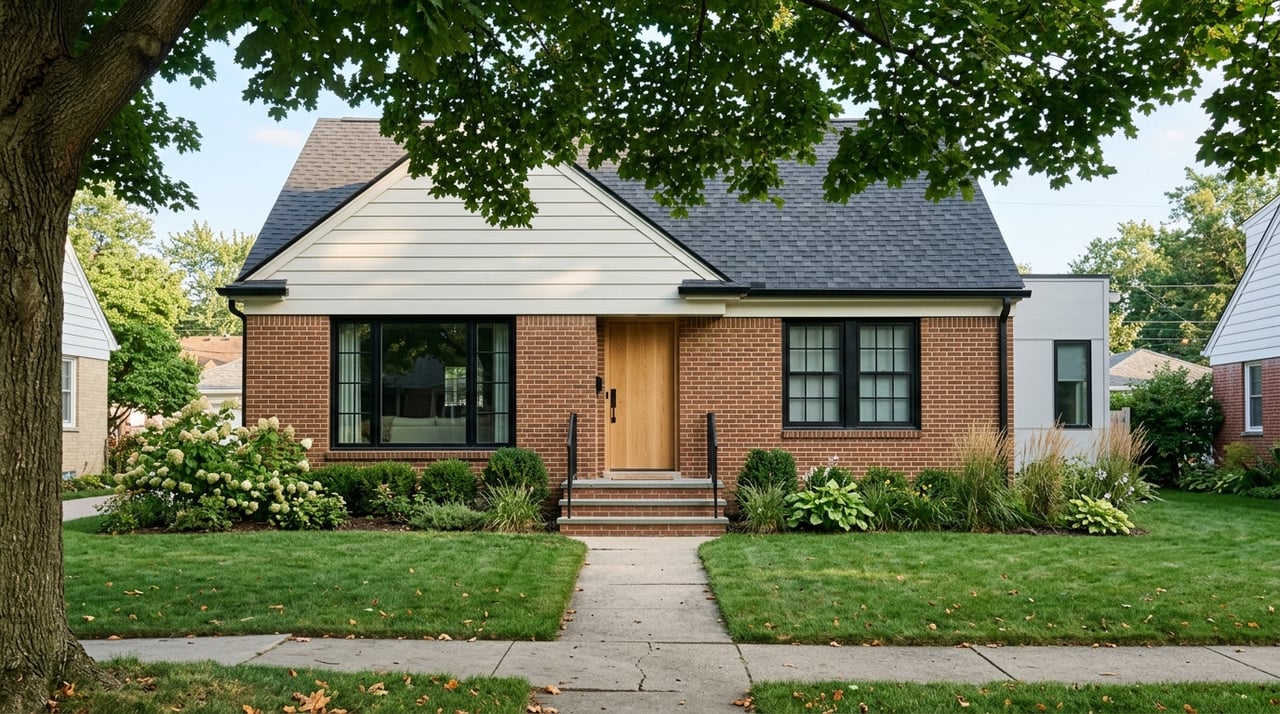
Wondering whether Edina’s classic areas or its newer pockets are the better fit? It is a smart question, but the answer is not as simple as old versus new. In Edina, many buyers find that the real choice comes down to how you want to live day to day, from your commute and upkeep preferences to the kind of streetscape and amenities you want nearby. This guide will help you compare the feel, function, and tradeoffs of each so you can narrow in on the right version of Edina for you. Let’s dive in.
Edina developed from east to west and was largely built out by the early 1980s. Since then, much of the city’s newer housing has come through infill and redevelopment rather than large new subdivisions.
That matters because Edina is not split into two perfectly separate markets. The city notes that 55% of its housing stock was built in the 1960s or earlier, but many blocks now include a mix of original homes, renovated properties, and newer rebuilds.
As a buyer, that means you will usually get better results by focusing on lifestyle fit rather than the age label alone. In Edina, “classic” and “newer” are best understood as a mix of architecture, neighborhood form, and nearby amenities.
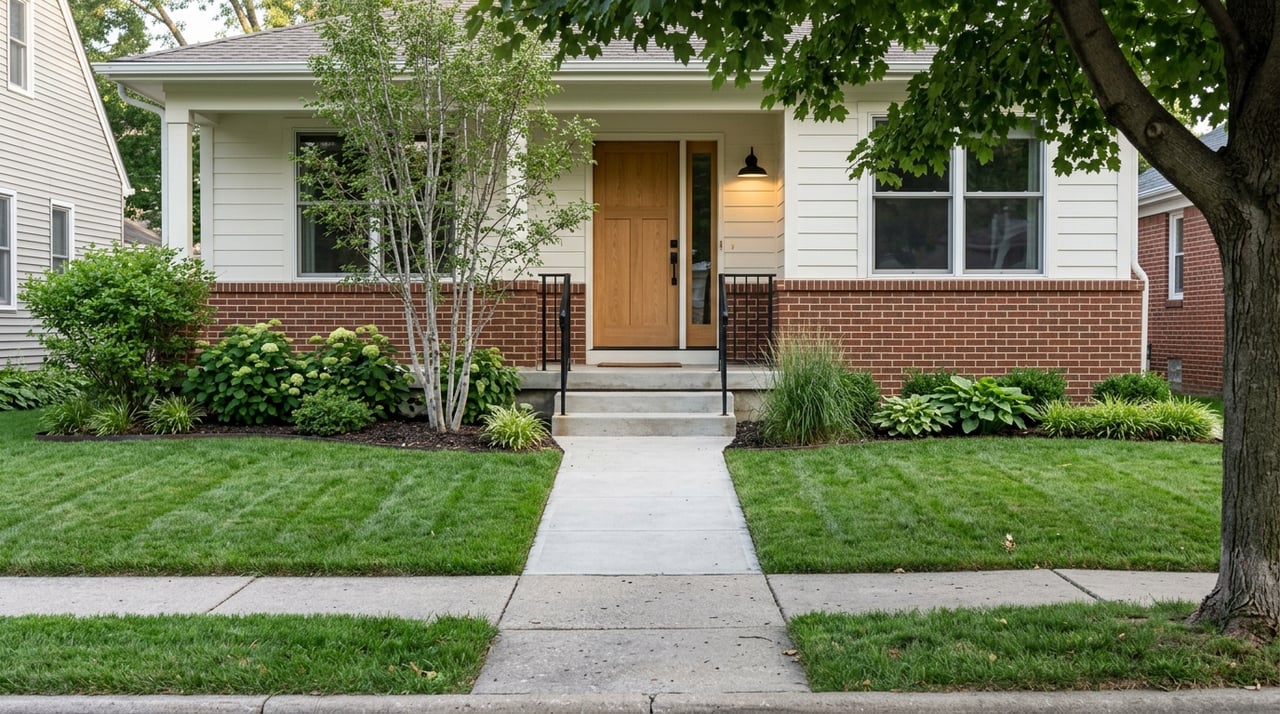
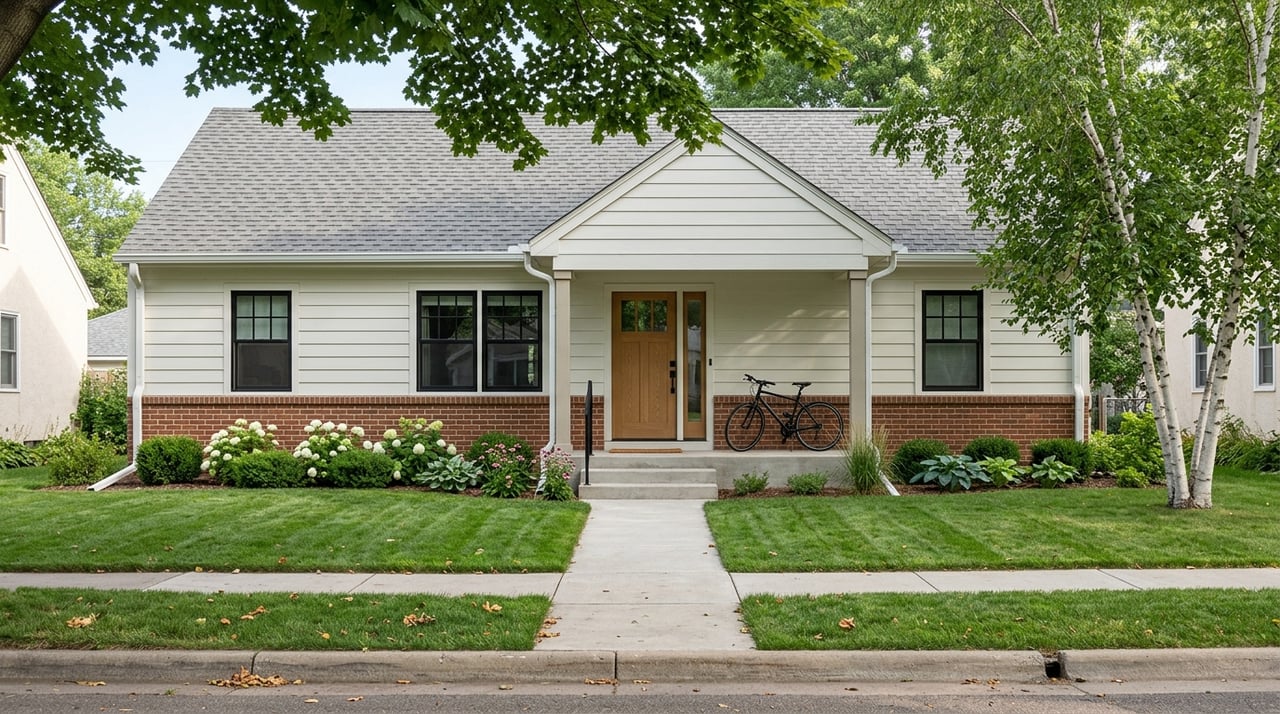
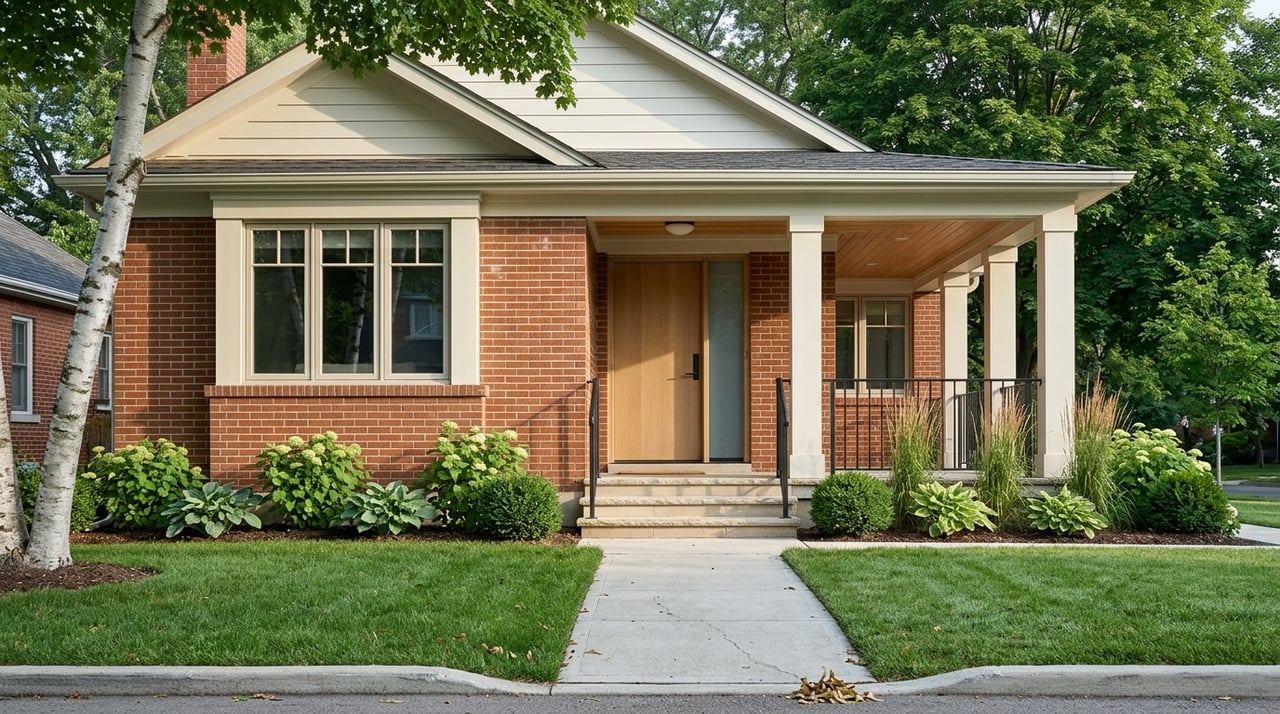
Classic Edina generally refers to the city’s earlier-developed neighborhoods and historic districts. These areas often feature older architecture, mature trees, established street patterns, and a stronger connection to long-standing neighborhood commercial nodes.
Morningside is Edina’s oldest residential neighborhood. It was first platted in 1905, became the Village of Morningside in 1920, and still includes historic properties and bungalows from roughly 1909 to 1922.
The Country Club District is another key example. Platted in 1924, it was one of Minnesota’s first modern planned communities, and the city says 91% of its homes were built between 1924 and 1944.
These areas often appeal to buyers who value architectural character and a more established neighborhood feel. You may notice details like porches, traditional facades, and older lot patterns that create a distinct sense of place.
If you are considering a home in the Country Club District, it is important to understand that the city protects the district’s historic integrity through a certificate-of-appropriateness review. That review applies to demolition, new construction, and major changes that affect street-facing features.
For some buyers, that oversight is a benefit because it helps preserve neighborhood character. For others, it may add complexity if you are planning a major exterior renovation or rebuild.
Newer Edina is less about large tracts of recently built homes and more about redevelopment, infill, and mixed-use growth areas. A lot of that change is concentrated around Greater Southdale and other city growth nodes.
The Greater Southdale District Plan describes this part of Edina as a higher-density, mixed-use district designed to support more residential and job growth. The plan also emphasizes a more walkable and bikeable public realm and reduced car dependence over time.
City housing and redevelopment materials show that this broader area has supported projects such as Centennial Lakes, Edinborough Park, apartments, condos, senior housing, plazas, parking, sidewalks, and mixed-use redevelopment. So when buyers talk about “newer Edina,” they are often talking about this type of updated environment rather than a traditional new subdivision.
Later-era Edina homes often have a different visual character than the earlier neighborhoods. The city notes examples such as the 1950 Arthur Erickson House and the 1963 Oskam House, and it describes the Oskam House as midcentury modern and International style.
The city also notes that postwar builders generally favored Ranch-style forms. While every block is different, these later-developed areas can feel more midcentury suburban compared with the bungalows and early planned-community homes found in classic Edina.
One of the clearest ways to choose between classic and newer Edina areas is to think about your comfort level with maintenance, updates, and renovation work. Older homes often offer more original detail and personality, but they may also come with more layered upkeep.
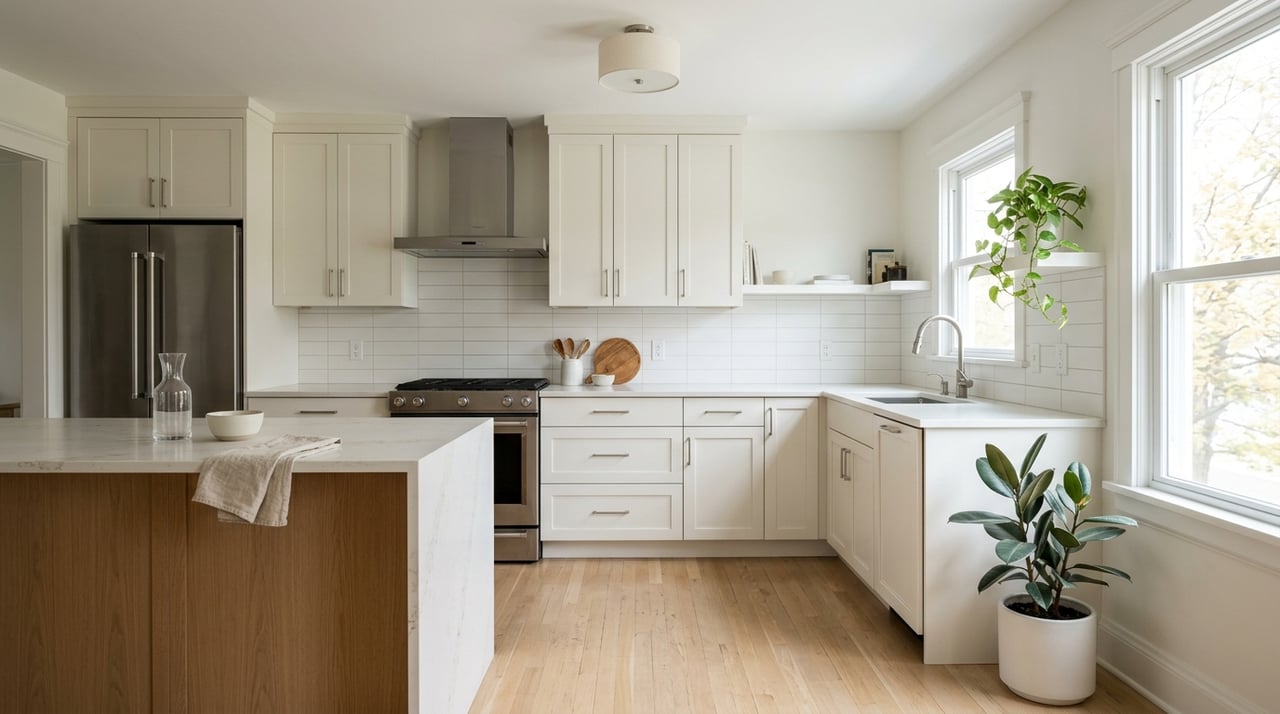
That does not mean every classic-area home is a project. Many have been thoughtfully updated over time, but older housing can still bring more renovation complexity than a condo, townhome, or redeveloped property in a newer area.
Newer or redeveloped areas may be a better fit if you want simpler day-to-day maintenance or a more turnkey feel. They are also more likely to sit outside the city’s historic-district review process.
For many buyers, this is where the choice becomes clearer. Classic Edina areas near 44th & France or 50th & France tend to be strongest if you want walkable errands, local dining, and a neighborhood-scale feel.
The city describes 44th & France as preserving a village-like character. It describes 50th & France as Edina’s historic downtown, with a pedestrian-friendly environment that has grown organically for decades and supports shops and daily-needs services.
Morningside also stands out for day-to-day convenience. The city highlights its small business district and nearby parks, including Kojetin Park and Weber Field Park.
Newer and redeveloped areas near Southdale are also evolving toward a more connected, walkable experience. Still, many of those areas remain shaped by larger sites and broader road networks, so the feel can be different from the smaller-scale walkability of Edina’s classic neighborhoods.
Your regular drive or transit routine should play a big role in your decision. In Edina, location can affect how easily you connect to job centers, highways, and bus service.
The city’s transportation plan notes that eastern Edina, including Southdale and northeast Edina, is in Metro Transit Market Area II, which can support more fixed-route service. Much of the rest of the city is in Market Area III, where commuter express service is more common.
Edina is also served by I-494, TH 169, TH 100, and TH 62. Buyers who prioritize quick driving access often pay close attention to how close they are to those corridors.
The city also reports that Edina residents most often commute to Minneapolis, Edina, Bloomington, Eden Prairie, St. Paul, St. Louis Park, Minnetonka, and Golden Valley, and about three-quarters commute less than 30 minutes. If your work routine is a major part of your week, this is one of the best filters to use early in your search.
Edina has a strong park system overall, but the park experience can vary depending on where you buy. That difference may shape how you use your neighborhood on weekends or after work.
Older northeast areas are near neighborhood parks such as Kojetin Park and Weber Field Park. These can feel closely tied to the surrounding residential blocks and day-to-day neighborhood life.
Newer or redeveloped districts often connect more closely to larger destination-style parks and recreational amenities, including Centennial Lakes, Edinborough, Braemar, Rosland, and Southdale Gateway. If you want broader recreational options or larger-scale public spaces nearby, that may influence your decision.
If you are torn between Edina’s classic and newer areas, it helps to focus on four practical categories instead of trying to label the whole city. Start with the way you want your home and neighborhood to function.
Ask yourself:
When you use those filters, the choice often becomes much more manageable. You are not really choosing between old and new. You are choosing the version of Edina that supports your routine, priorities, and comfort level.
One of the most useful things to know about Edina is that it is rarely an either-or market. Because the city has evolved through renovation, teardown activity, and redevelopment, you will often find overlap between classic charm and newer updates.
A classic-area home may have a fully modern interior. A later-era neighborhood may include architectural interest, mature landscaping, and a strong sense of community.
That is why a neighborhood-first search matters. If you compare homes only by age, you may miss the places that fit your lifestyle best.
If you are deciding where to focus in Edina, a thoughtful home search should look at both the house and the block around it. The best match is usually the one that feels right on a Tuesday morning, not just during a weekend showing.
If you want help narrowing your options in Edina, Brekken | Tiffany brings a calm, neighborhood-first approach to help you compare lifestyle, location, and home style with more clarity.
Stay up to date on the latest real estate trends.
Jenny Lappegaard
Clients and cohorts alike, appreciate our unique combination of analytics, creativity, and calm leadership style. While working to manage, improve and buy/sell our properties, we realized we were drawn to the idea of helping others with their real estate needs.