Experience the Minnetonka Lake Lifestyle in the City
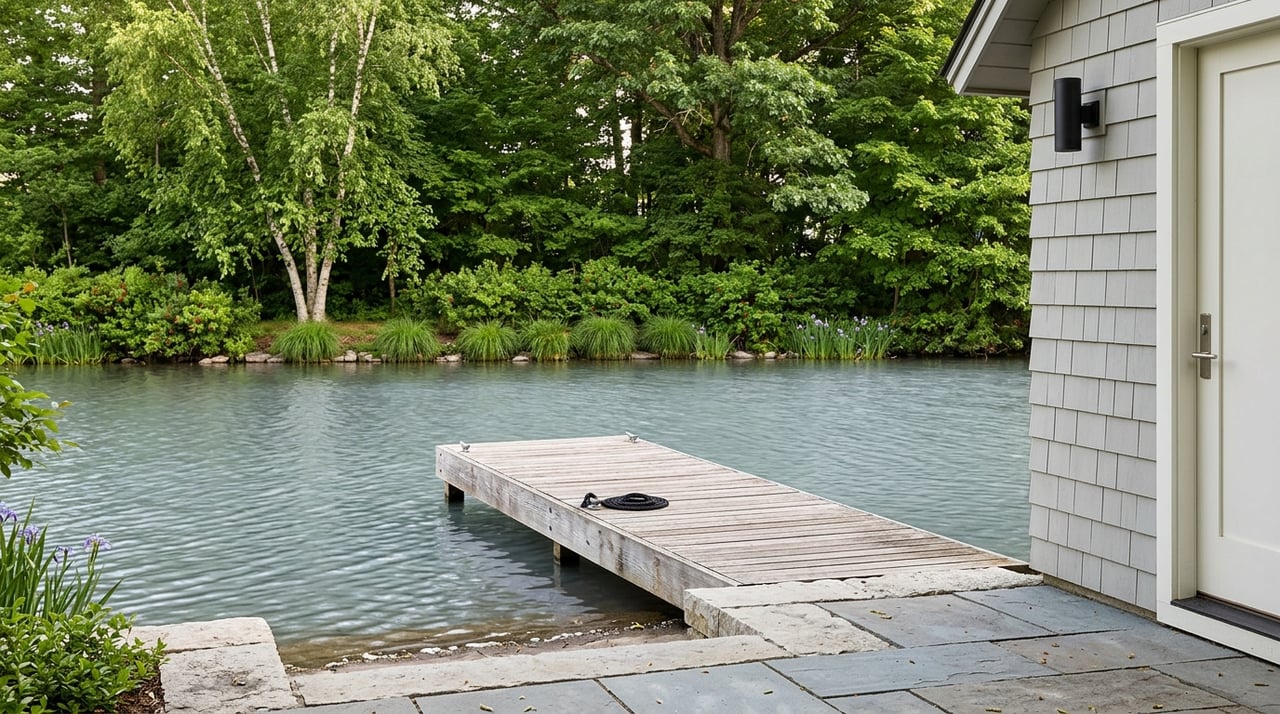
Looking for lake living without leaving the conveniences of the city behind? In Minnetonka, that balance is part of the appeal. You can enjoy access to Lake Minnetonka, a wide trail network, established neighborhoods, and everyday shopping and dining, all while staying closely connected to Minneapolis and the broader metro. If you are considering a move or simply want a clearer picture of what life here feels like, this guide will walk you through the lifestyle from the ground up. Let’s dive in.
When people hear “Lake Minnetonka lifestyle,” they often picture a single waterfront district lined with marinas, restaurants, and lakefront activity. In Minnetonka, the reality is a little different and often more practical for daily life.
According to city planning materials, Minnetonka’s lake identity is spread across access points, neighborhood pockets, trail corridors, parkland, and mixed-use areas rather than one continuous shoreline destination. That means your experience of the lake often comes through how you move around the city, where you spend time outdoors, and how easily recreation fits into your routine.
Minnetonka is also just eight miles west of Minneapolis, with direct access through I-394 and I-494. So if you want a setting that blends nature, convenience, and a strong suburban rhythm, Minnetonka stands out.
If you want the most direct connection to Lake Minnetonka within Minnetonka city limits, Gray’s Bay is the place to know. The city operates the Gray’s Bay Public Access and Marina, which includes three launch lanes, 29 permanent boat slips, 112 trailer spaces, and 21 vehicle-only spaces.
For many residents, this is where the lake becomes part of real life rather than just a scenic backdrop. The marina season generally runs from about April 1 through October 31, depending on weather and ice-out, so access is tied to the rhythms of Minnesota’s seasons.
City planning documents identify Groveland and Gray’s Bay/Libbs Lake as early neighborhood-growth areas tied to the eastern side of Lake Minnetonka. These areas help explain why Minnetonka still feels connected to the lake, even though the city also includes major shopping, employment, and residential districts away from the shoreline.
That mix gives the city a layered feel. Some pockets are strongly shaped by the lake, while others are more centered on trails, parks, or daily convenience.
Not every part of Minnetonka’s lake lifestyle is about boating. The Glen Lake area brings a different kind of character, with a pedestrian-friendly setting, small businesses, a strong tree canopy, and a more neighborhood-scaled commercial feel.
The city describes Glen Lake as a thriving commercial and residential area, and that description fits. If you like the idea of a lifestyle that includes walkable errands, local services, and nearby parks, Glen Lake shows another side of Minnetonka living.
One of the best ways to understand Minnetonka is to look beyond the shoreline. The city maintains five community parks and 44 neighborhood parks, along with more than 268 acres of maintained parkland, more than 100 miles of trails, and about 1,000 acres of natural public open space.
That is a major reason Minnetonka feels so livable year-round. Even if you are not on the water every weekend, you still have easy ways to get outside, stay active, and enjoy the natural landscape.
The Lake Minnetonka Regional Trail is one of the most meaningful pieces of the lifestyle picture. The trail stretches 15.8 miles between Hopkins and Carver Park Reserve, passes through Minnetonka, and was designed around scenic lake views.
For residents, that means you can experience the area by bike, on foot, or during a casual weekend outing without needing full lakefront property to feel connected to the landscape. It also reinforces the idea that Minnetonka’s outdoor identity is just as much about movement and access as it is about waterfront living.
Several parks help define the city’s outdoor appeal. Lone Lake Park offers nearly two miles of formal trails and views of Lone Lake, while Purgatory Park is the city’s largest community park. Big Willow Community Preserve and Athletic Complex adds trails, athletic fields, and views of Minnehaha Creek.
These spaces matter because they support the kind of day-to-day lifestyle many buyers are really looking for. You may want lake access, but you also want places to walk, exercise, gather, and enjoy the outdoors close to home.
Lifestyle is not only about scenery. It is also about where you run errands, meet friends, grab lunch, or spend a Tuesday afternoon.
Minnetonka works well because it combines its natural setting with practical commercial hubs. Instead of relying on one downtown-style core, the city has several activity centers that support different routines.
The Ridgedale area is one of Minnetonka’s biggest convenience advantages. The city’s reporting describes Ridgedale as a major regional center with retail clusters, a county service center, district court, regional library, and YMCA nearby, and notes that the area averages about 1.3 million visitors per month.
At the center of that activity is Ridgedale Center, a mainstream shopping destination with free parking, mall walking, sit-down dining, and outdoor seating. For many residents, this is where the practical side of suburban living really shines.
If Ridgedale represents convenience at scale, The Marsh shows a more community-oriented side of Minnetonka. It combines wellness and recreation with Café Anna Lisa, the Marshland Market, and the city’s summer farmers market.
That combination creates a setting that feels useful and social at the same time. It is one more example of how Minnetonka blends outdoor living with everyday amenities rather than separating them.
The Opus district is different from the lake-adjacent parts of Minnetonka, but it is still important to the city’s overall lifestyle. The area includes residential apartments, major employment centers, open natural areas, and six miles of off-road trails.
With more than 15,000 employees and 4,000 residents, Opus adds a more modern, mixed-use dimension to life in Minnetonka. If you value trail access and convenience near employment centers, this area may be especially appealing.
One of Minnetonka’s strengths is that it does not depend on summer alone. The city’s outdoor network continues to shape daily life across all four seasons.
In winter, the city operates outdoor ice rinks at seven locations, and the Minnetonka Ice Arena offers public skating and year-round lessons. The city also notes that about 81 miles of trails are maintained year-round, which helps keep recreation part of your routine even when the lake is frozen.
In summer, Gray’s Bay Marina becomes a stronger focal point, and lake activity naturally picks up. At the same time, city information notes that residential water use triples in summer, mostly from outdoor irrigation, which is a useful reminder that this lifestyle also comes with practical stewardship and seasonal maintenance.
For many buyers, Minnetonka offers a compelling middle ground. You get access to parks, trails, and Lake Minnetonka, but you also get shopping hubs, employment centers, and a direct route to Minneapolis.
The city describes I-394 as a primary 15-minute commuter route to downtown Minneapolis and a quick link to the airport. That makes Minnetonka especially attractive if you want a home base that supports both outdoor recreation and metro accessibility.
From a real estate perspective, this variety is part of what makes Minnetonka worth a closer look. Different parts of the city support different priorities, whether you are focused on lake access, walkability, trail connections, or streamlined daily convenience.
If you are considering Minnetonka, it helps to define what “lake lifestyle” means to you personally. For some buyers, that means quick boat access and time near Gray’s Bay. For others, it means trail connections, nearby parks, a strong tree canopy, and a home that feels calm and connected to nature.
That is why neighborhood-level guidance matters. Minnetonka is not a one-note community, and the best fit often comes down to how you want your daily life to function, not just what looks good on a map.
If you are exploring Minnetonka and want a thoughtful, neighborhood-first perspective on where to start, John Brekken can help you make sense of the options and find the right fit for your move.
Stay up to date on the latest real estate trends.


Jenny Lappegaard
Clients and cohorts alike, appreciate our unique combination of analytics, creativity, and calm leadership style. While working to manage, improve and buy/sell our properties, we realized we were drawn to the idea of helping others with their real estate needs.