Loft And Condo Living In Downtown St. Paul
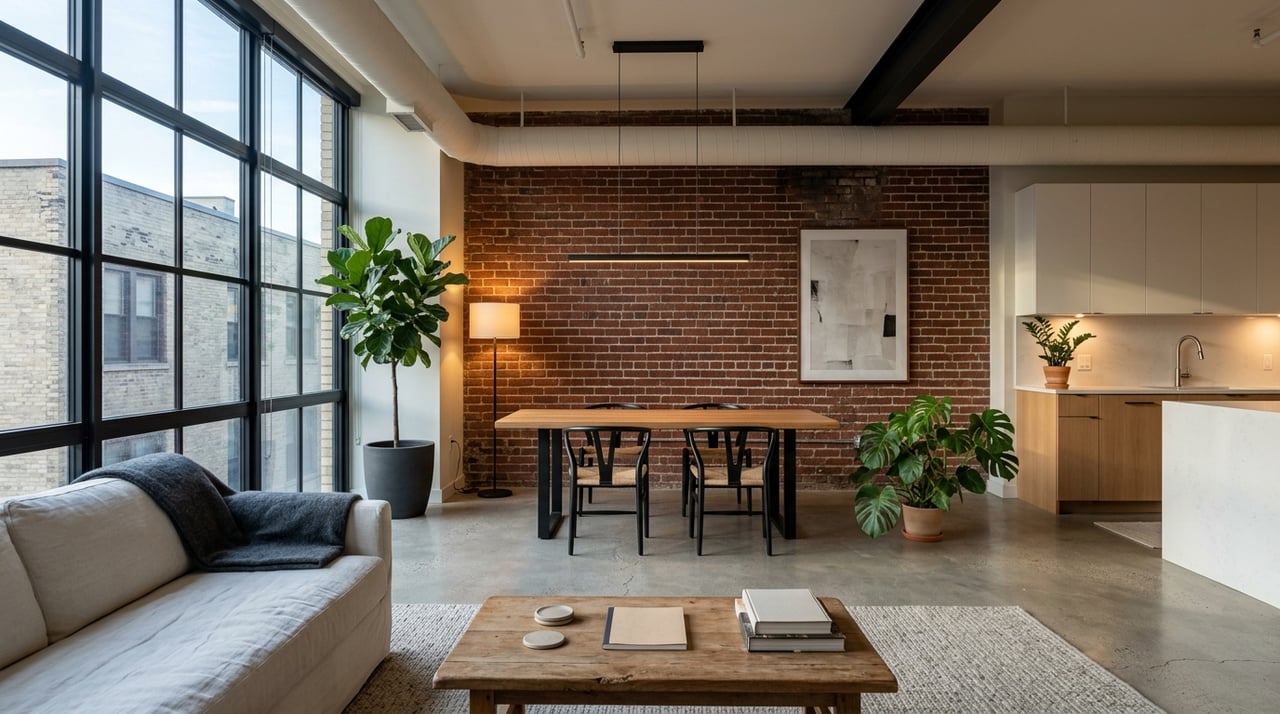
If you want a home with skyline views, walkable daily errands, and easy access to arts, transit, and downtown energy, Downtown St. Paul deserves a close look. At the same time, choosing between a loft conversion and a condo building can feel less obvious once you start weighing layout, parking, HOA dues, and building rules. This guide will help you understand how downtown living works here, what makes Lowertown stand out, and what to review before you buy. Let’s dive in.
Downtown Saint Paul is more than an employment center. The city describes it as the heart of the eastern Twin City, with government, finance, insurance, culture, museums, theaters, concerts, sports, and a growing residential base. That mix gives you a lifestyle where home, entertainment, errands, and commuting can sit much closer together.
The city is also actively focused on revitalization. Current planning materials highlight downtown parks with live music, art, food trucks, and festivals, along with efforts to convert vacant office space into housing and add more residents to the core. For buyers, that points to a downtown that is not standing still.
If you picture loft and condo living in Downtown St. Paul, you are probably picturing Lowertown. Visit Saint Paul describes it as a vibrant artists’ quarter with breweries, restaurants, CHS Field, artist lofts, galleries, and the Saint Paul Art Crawl. It is the clearest local example of how historic buildings and urban activity come together in a residential setting.
Lowertown also places many daily and weekend destinations close at hand. Downtown residents have access to the Saint Paul Farmers Market, the Ordway, Palace Theatre, Fitzgerald Theater, Park Square, History Theater, the Minnesota Children’s Museum, the Science Museum of Minnesota, the Minnesota History Center, and the Minnesota Museum of American Art. The Penfield adds a grocery option in the downtown core, which matters if you want a more convenient, car-light routine.
Downtown St. Paul offers both older loft-style conversions and more purpose-built condo-style buildings. That mix makes sense when you look at the city’s planning direction, which supports rehabilitation and conversion of existing buildings, including vacant office buildings, along with preservation of housing in historic buildings. In practical terms, you will see homes that lean heavily into original character and others that emphasize predictability and amenities.
A helpful way to think about the difference is this: loft conversions often bring texture, volume, and a stronger sense of the original building, while newer condo buildings often offer more standardized layouts and a fuller amenity package. Neither is automatically better. The right fit depends on how you want to live day to day.
Loft-style homes tend to appeal to buyers who want distinctive space and visible architectural character. In Downtown St. Paul, that can mean a stronger connection to the city’s warehouse and commercial-building history.
You may find features like:
Lofts at Farmers Market shows this side of the market well. The project sits near the farmers market and Green Line and includes 16 floor plans, public art, a green roof, and ground-floor commercial space. That combination reflects the urban, mixed-use character many buyers want in Lowertown.
Purpose-built or more updated condo-style buildings often appeal to buyers who value convenience, building systems, and amenity structure. The layouts may feel more familiar, and the building experience can feel more turnkey.
You may find features like:
The Penfield is a strong local example. It preserves a historic facade while offering enclosed parking, an outdoor courtyard and pool, grilling stations, an indoor dog washing station, and a grocery store. For some buyers, that amenity mix can outweigh the appeal of a more industrial loft setting.
It is easy to focus on exposed brick, polished concrete, or a sleek lobby. In practice, your experience of downtown living often comes down to logistics. A beautiful unit can still be the wrong fit if parking, noise, elevator access, or storage do not line up with your routine.
As you tour buildings, think about how the home functions on an ordinary Tuesday, not just on showing day. Consider how you handle groceries, deliveries, commuting, guests, pet care, and winter weather. Those details often make the difference between a place that photographs well and one that truly lives well.
When you visit a downtown loft or condo, pay attention to the basics that shape comfort and convenience:
If you are leaning loft, add a few building-specific questions. Ask how much of the original structure remains visible, how sound transfer is handled, and whether temperature control feels even across the floor plan. Older buildings can offer incredible character, but they deserve a closer look on comfort and function.
Downtown St. Paul is unusually connected for a condo market. The city says the area sits at the nexus of three freeways, the METRO Green Line, dozens of bus lines, Union Depot and Amtrak, Greyhound, an extensive regional bicycling system, and the regional airport less than a mile away. That gives buyers real flexibility, especially if you want to reduce daily driving.
Transit has also continued to expand. Metro Transit says the Gold Line opened in March 2025 and runs from downtown Saint Paul toward Woodbury with 16 stations, while the Green Line remains the rail spine linking downtown St. Paul to downtown Minneapolis. Union Depot also confirms that the Green Line station sits directly in front of the building.
For biking, the Capital City Bikeway is designed to provide comfortable, convenient access to and through downtown. The city notes that free bike parking is available on nearly every street downtown, and Visit Saint Paul says that when the bikeway is fully built, most of downtown will be within two or three blocks of it. If you want a more flexible commute or easy recreation access, that matters.
Even in a transit-friendly area, parking can still be central to your decision. If you expect regular car use, verify the details rather than making assumptions.
Ask:
The city notes that downtown meters are enforced Monday through Saturday from 8:00 a.m. to 10:00 p.m. That alone is a good reminder that parking should be part of your buying decision, not an afterthought.
In Downtown St. Paul, the unit is only part of what you are buying. You are also buying into a shared building structure, budget, rules, and maintenance plan. That is why HOA review is one of the most important steps in a condo purchase.
The Minnesota Department of Commerce says the Minnesota Common Interest Ownership Act is the primary law governing most HOAs and common interest communities created after June 1, 1994, while some older condos may fall under earlier condominium acts. Either way, the legal and financial structure behind the building deserves careful attention.
For a resale, Minnesota law requires the seller to provide key association documents. These include the declaration, articles of incorporation, bylaws, rules and regulations, amendments, and a resale disclosure certificate dated no more than 90 days before the purchase agreement or conveyance.
That resale certificate must disclose major financial and legal information, including:
The association must furnish the certificate within ten days of request and may charge a reasonable fee. Minnesota law also states that buyers are not liable for unpaid assessments or special assessments not set forth in the certificate.
Do not stop at the monthly HOA number. A lower monthly due is not always better if reserves are thin or major repairs are being deferred.
Focus on:
Minnesota law also requires replacement reserves in annual budgets for covered common interest communities, and boards must reevaluate reserve adequacy at least every third year after the declaration is recorded. That makes reserve health a practical issue, not just a technical one.
The strongest Downtown St. Paul story is not just about architecture. It is about the combination of character-rich housing, walkable culture, and strong transit access. The area already offers a broad amenity base, and the city continues to invest in housing, parks, bikeway connections, and transit.
That means your decision may come down to fit more than hype. You might prefer the texture and individuality of a loft conversion, or you might want the predictability and amenity package of a newer condo building. Either path can work well if you pair the right home with disciplined document review and a clear sense of how you want to live.
Buying in a vertical market like Downtown St. Paul is easier when you have local guidance that balances design, lifestyle, and due diligence. If you are exploring lofts or condos in St. Paul, Brekken | Tiffany can help you compare buildings, understand the tradeoffs, and move forward with confidence.
Stay up to date on the latest real estate trends.

Jenny Lappegaard
Clients and cohorts alike, appreciate our unique combination of analytics, creativity, and calm leadership style. While working to manage, improve and buy/sell our properties, we realized we were drawn to the idea of helping others with their real estate needs.