Relocating To Minnetonka For A Lake-Centered Lifestyle
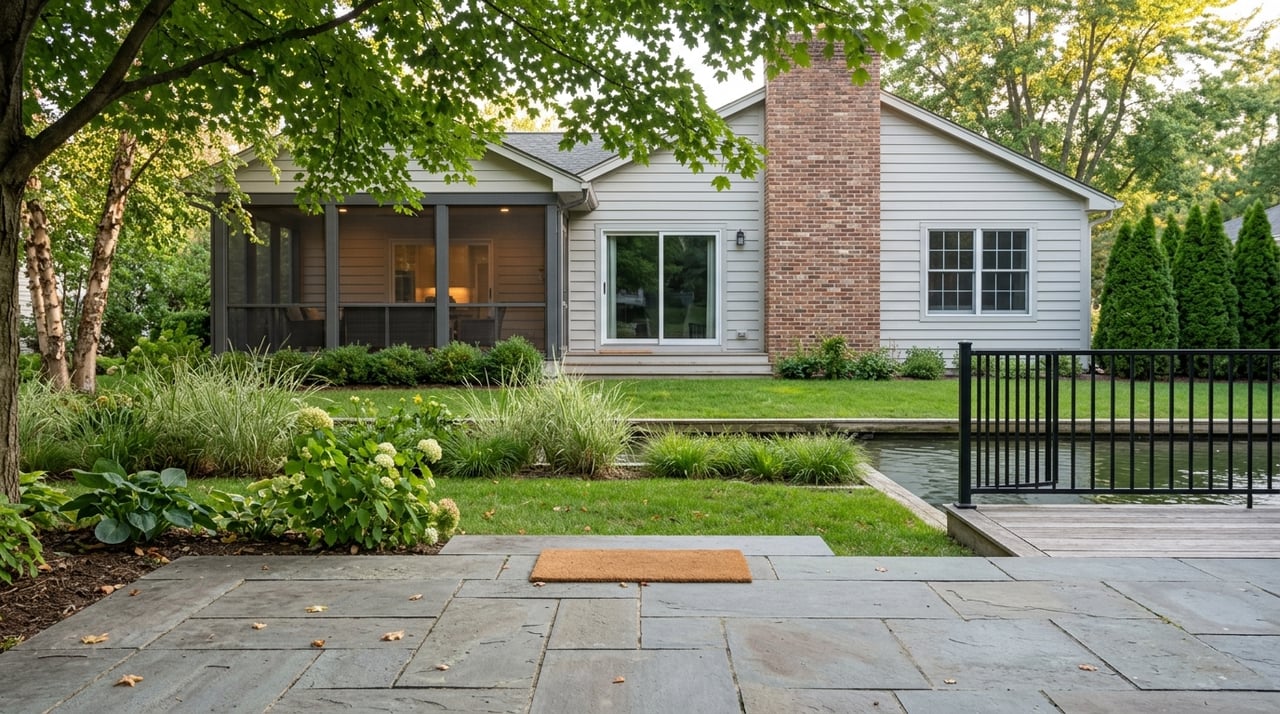
If you’re dreaming about lake life but still need the ease of a well-connected suburb, Minnetonka deserves a close look. Many buyers want water, trails, and outdoor access without giving up everyday convenience, and that balance can be hard to find. In Minnetonka, the lifestyle is less about living in a single waterfront district and more about having a suburban home base with meaningful access to lakes, parks, and regional trails. Let’s dive in.
Minnetonka is a fully developed suburb about eight miles west of Minneapolis with a population of more than 53,000. The city’s identity is closely tied to trees, wetlands, prairies, and water, which shapes both the look of the community and the way many residents spend their free time.
You can see that outdoor focus in the city’s numbers. Minnetonka reports more than 50 parks and open spaces, more than 100 miles of trails, and about 1,000 acres of natural public open space. More than 20% of the city’s land area is wetlands and lakes, so water is part of daily life even when you do not live directly on the shore.
One of the most important things to understand before relocating is that Minnetonka did not grow as one continuous lakeside village. The city’s history includes early lakeshore cottages and homes near Lake Minnetonka, along with modest single-family neighborhoods that developed over time.
For you as a buyer, that means a lake-centered lifestyle in Minnetonka often looks like this: a home with strong access to trails, parks, launch points, and nearby water rather than a property directly on the lake. That can open up more options depending on your budget, your commute, and how often you actually plan to be on the water.
Lake Minnetonka is the largest lake in the Twin Cities metro area at more than 14,000 acres. It is a major recreational draw and supports year-round use, which is a big part of Minnetonka’s appeal for relocators who want an active, outdoor-oriented routine.
At the same time, it helps to go in with realistic expectations. The Minnesota DNR notes that the lake is popular but also sees heavy boat traffic and crowded ramps during busy times. If boating is central to your lifestyle, convenience matters just as much as proximity.
A beautiful water view is only one part of the equation. You may also want to think about where you would launch a boat, how you would store gear or a trailer, and whether your ideal summer routine involves quick access or a little more planning.
Hennepin County has continued to improve some Lake Minnetonka access points, including the North Arm public access, to support safer maneuvering and aquatic invasive species prevention. That matters if you plan to use public launches regularly rather than rely on private shoreline access.
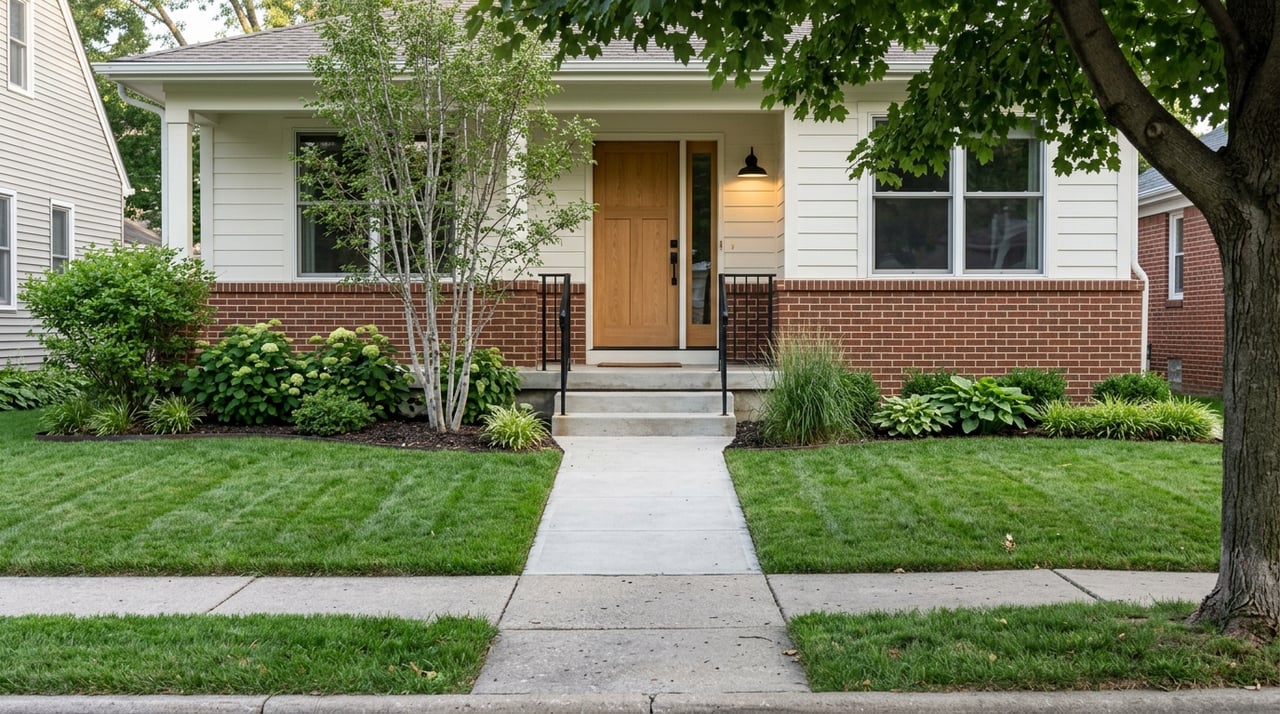
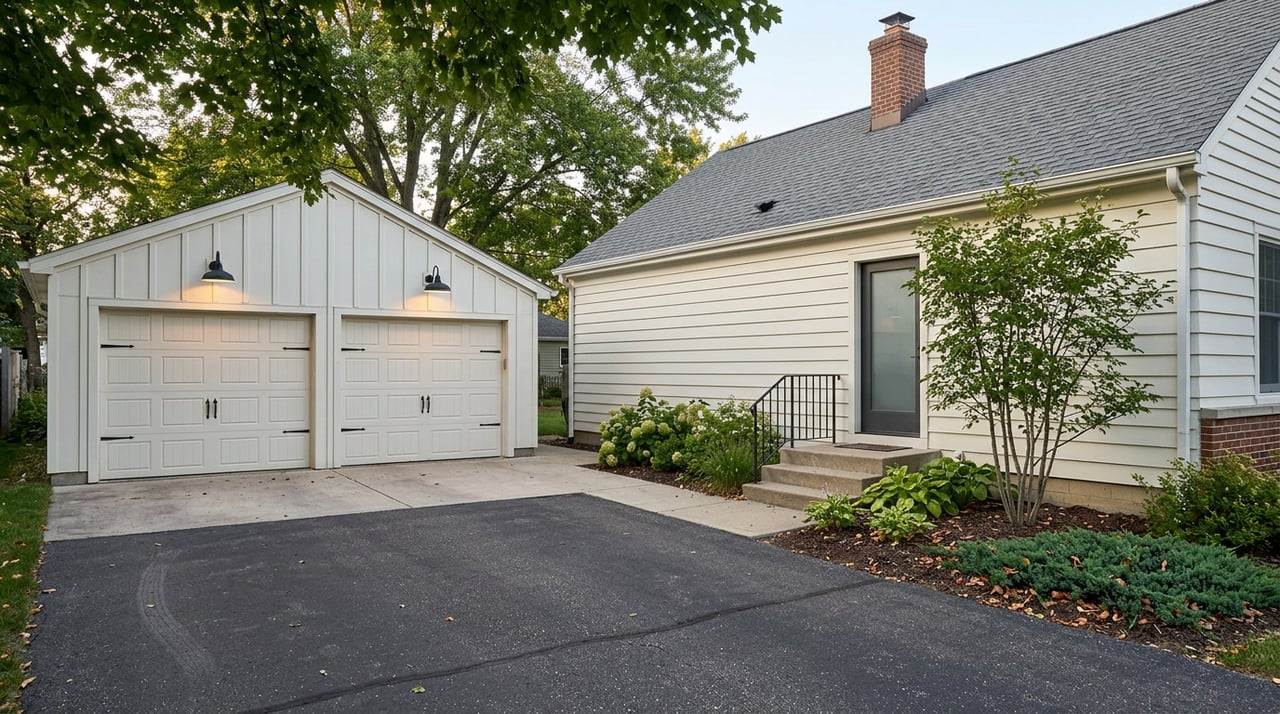
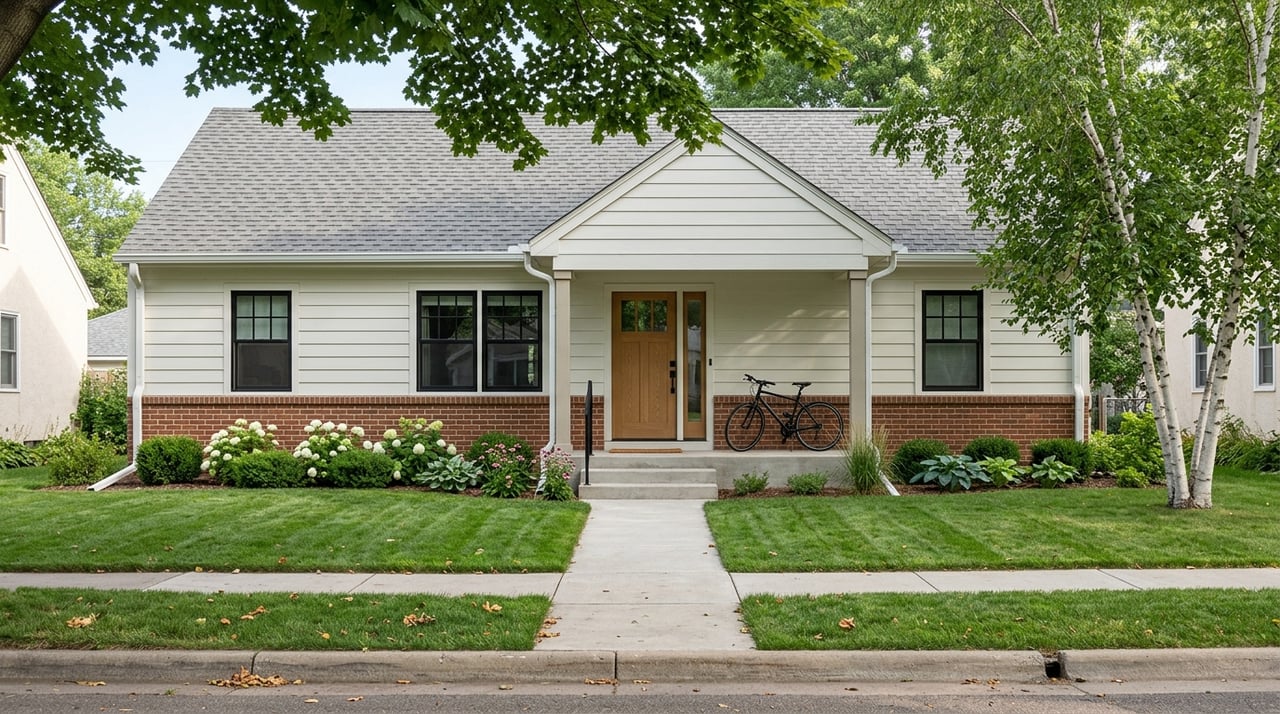
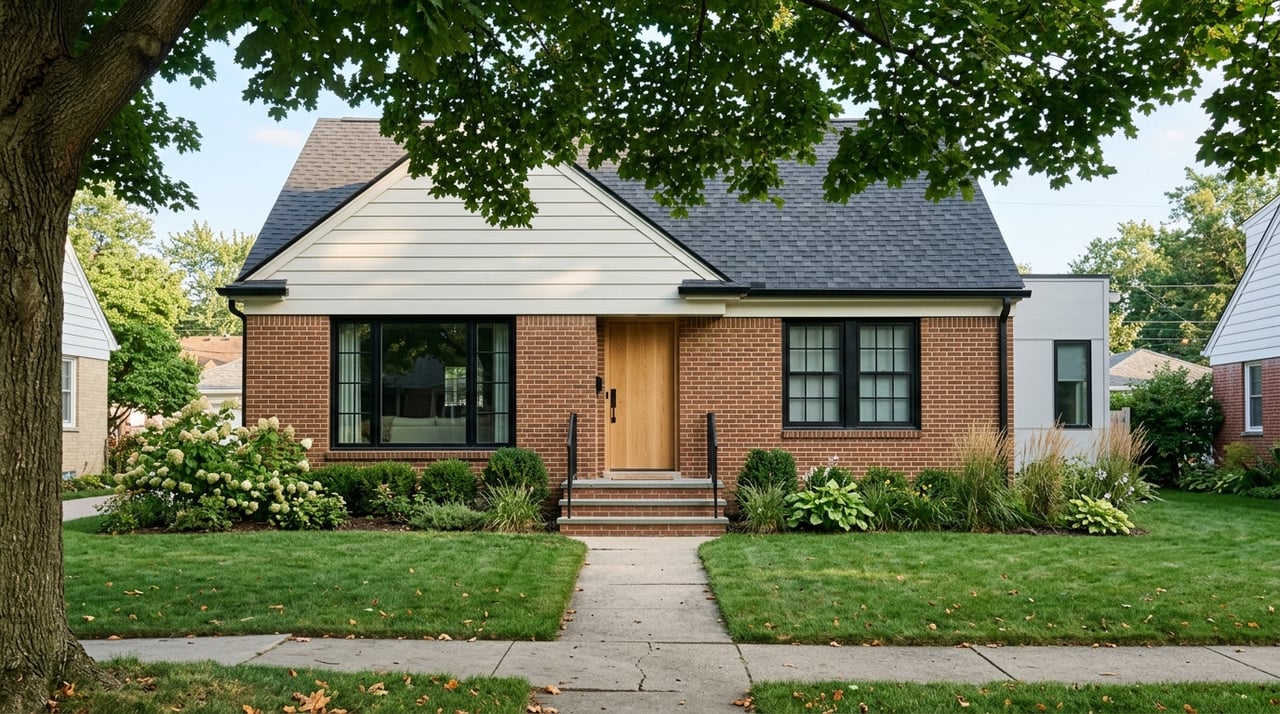
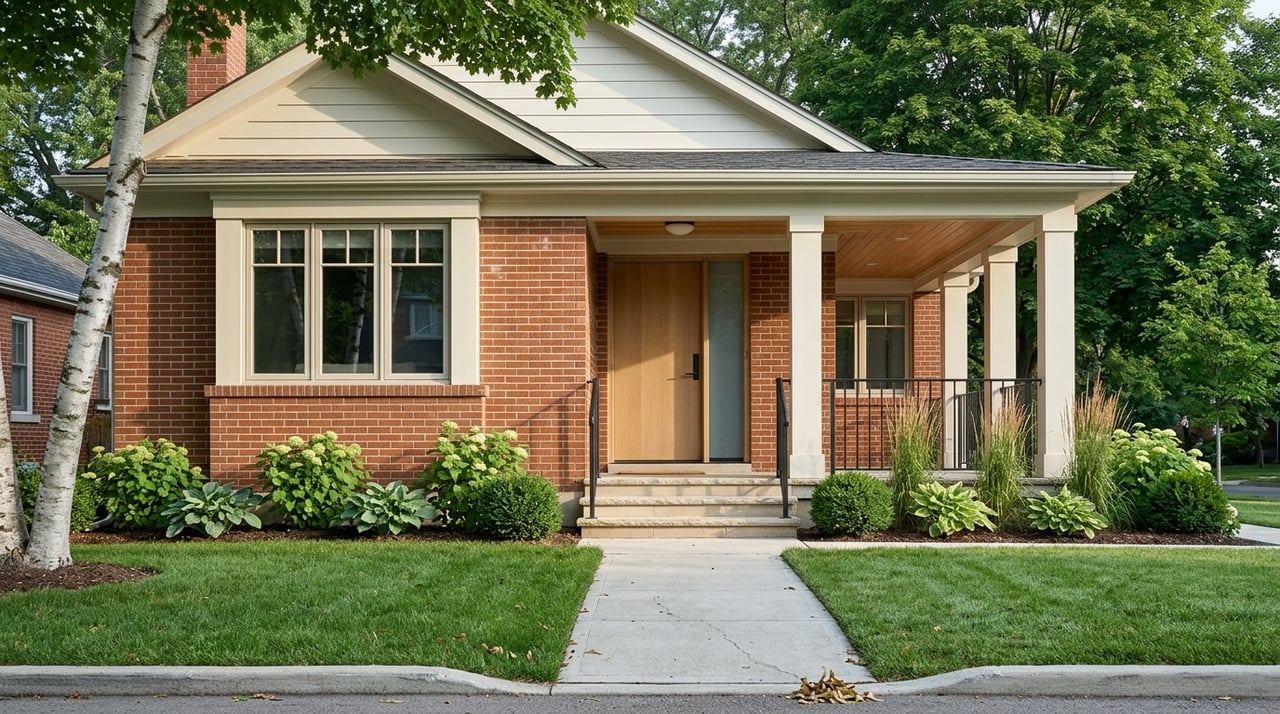
Minnetonka offers a broad mix of housing for buyers who want a lake-centered lifestyle. City planning documents describe the housing stock as largely low-density and owner-occupied, with 54% single-family detached homes, 35% multifamily housing, and the rest made up of townhomes, duplexes, triplexes, and quad homes.
That variety is useful if you are relocating with different priorities. You may want a larger single-family home on a generous lot, a lower-maintenance townhome near major routes, or a multifamily option that keeps you close to trails and parks while simplifying upkeep.
Lot patterns in Minnetonka often reflect when a neighborhood was built. In earlier lakeshore and 1930s-era areas, homes were commonly placed on one-third- to one-half-acre lots, while later 1950s- and 1960s-era subdivisions were generally guided toward minimum one-half-acre lots for single-family neighborhoods served by public utilities.
That history creates a wider range of home settings than some relocating buyers expect. You may find older lakeshore-era homes, mid-century suburban houses on larger lots, and attached housing near mixed-use areas and major corridors.
Minnetonka is nearly fully developed, which means your search is often defined by existing housing stock rather than large amounts of new supply. That makes clarity especially important when you begin your home search.
Before you start touring, it helps to decide what matters most: shoreline access, yard size, lower maintenance, trail connectivity, or a shorter drive into Minneapolis. In a mature suburb like Minnetonka, those trade-offs often shape the best-fit choice.
For many buyers, the best part of relocating to Minnetonka is that lake life is not limited to weekends. The city maintains five community parks and 44 neighborhood parks, which gives you consistent access to outdoor space across the community.
Several parks stand out for buyers who picture regular walks, quiet green space, or everyday recreation. Lone Lake Park offers 146 acres and nearly two miles of formal trails, Purgatory Park spans 155 acres, and Big Willow Park includes 95 acres with views of Minnehaha Creek and extensive trails.
Minnetonka’s trail system is maintained year-round, which is a meaningful quality-of-life feature if you want outdoor access in every season. The city also identifies the Minnesota River Bluffs LRT Regional Trail and the Lake Minnetonka LRT Regional Trail as regional routes crossing the city.
That means you do not need a waterfront address to build an outdoor routine. Inland neighborhoods can still offer strong access to walking, biking, and nearby water-oriented recreation.
A lake-centered move still has to work on Monday morning. Minnetonka remains largely car-oriented, with city planning data showing that 71% of residents drove alone to work in 2021, while 14% worked from home and 4% used public transit.
Most residents are under 25 minutes from work, though 32% had commutes longer than 25 minutes. If you are moving for a job in Minneapolis or another part of the metro, commute planning should be part of your home search from day one.
If you expect to commute to downtown Minneapolis, the I-394 corridor is the main route to understand. MnDOT says current I-394 and I-94 work is expected through fall 2026, and drivers should expect lane and ramp closures between downtown Minneapolis and Highway 100.
Transit is available too. Metro Transit serves Minnetonka with several local and express routes, and the city lists park-and-ride locations at I-394/Hopkins Crossroad and I-394/Plymouth Road. MnDOT also notes that Route 645 runs between Wayzata and downtown Minneapolis throughout the day, every day of the week.
Minnetonka’s seasons shape the lake lifestyle in practical ways. Summer brings peak use of outdoor spaces and water access, but it also brings higher residential water use, especially from irrigation.
The city says residential water use triples in summer, mostly because of outdoor watering. It encourages native plants, rain or moisture sensors, and shoreline buffers, all of which can matter if you are buying a property with substantial landscaping or water-adjacent features.
Winter is part of the appeal for many Minnesota buyers, but it changes how the lake is used. The city’s climate plan notes that warmer winter lows are contributing to shorter and less predictable ice coverage on lakes.
The DNR is clear on ice safety: there is no such thing as 100% safe ice, and conditions can change drastically across short distances. If winter lake access is important to you, it is worth treating that part of the lifestyle with flexibility rather than assumption.
If you are considering lake-adjacent or shoreland property, the details matter. Minnesota shoreland regulations set minimum standards for lot area and width, structure and septic setbacks, and the size of the shore impact zone, while local governments administer the ordinances.
The DNR also emphasizes maintaining or restoring natural vegetation along shorelines because it helps hold soil in place, filter runoff, and protect against intense rain and rising water levels. In other words, a shoreland property may come with added stewardship as well as added beauty.
As you evaluate homes, it helps to ask questions that go beyond square footage and finishes. A well-matched property should support the way you want to live in every season.
Consider asking about:
The best Minnetonka move usually comes down to matching lifestyle with logistics. If you want frequent lake access without the upkeep of shoreland ownership, an inland home near parks, trails, or public access may be the smarter choice.
If your goal is to be on or very near the water, you may need to weigh launch access, lot function, seasonal maintenance, and commute trade-offs more carefully. Because the city is largely built out, the right strategy is often about identifying your non-negotiables early and moving with clarity when the right home appears.
Relocating is easier when you have local guidance that connects the map, the housing stock, and the day-to-day lifestyle. If you’re considering a move to Minnetonka, Brekken | Tiffany can help you narrow your options and find a home that truly supports the way you want to live.
Stay up to date on the latest real estate trends.



Jenny Lappegaard
Clients and cohorts alike, appreciate our unique combination of analytics, creativity, and calm leadership style. While working to manage, improve and buy/sell our properties, we realized we were drawn to the idea of helping others with their real estate needs.