Selling A Historic St. Paul Home Without Losing Its Charm
If you own a historic home in St. Paul, you may worry that selling it means sanding away the very details that make it special. That concern is valid, especially when buyers want comfort and polish, but old-house character is often part of the appeal. The good news is that you do not need to strip out original charm to make your home market-ready. With the right planning, presentation, and updates, you can highlight what makes your property memorable while preparing it for a strong sale. Let’s dive in.
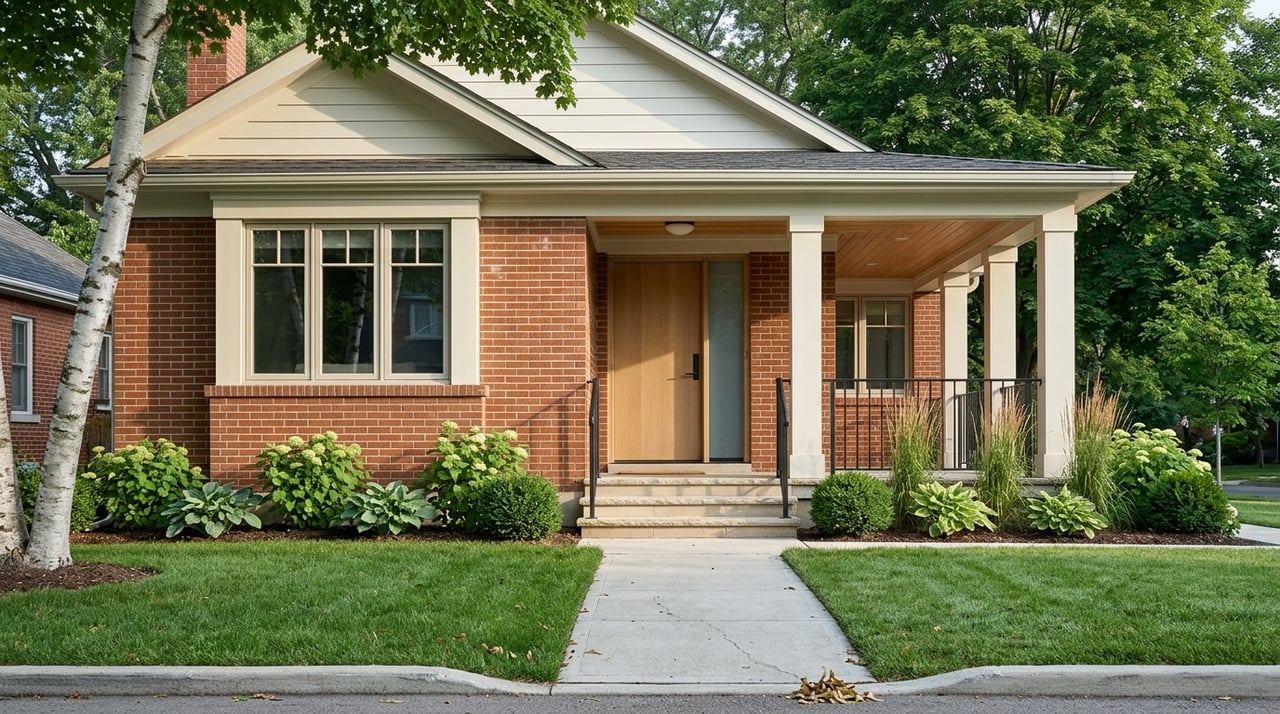
Historic St. Paul homes often sell on a blend of architecture, condition, and compliance. In a city with locally recognized historic districts such as Historic Hill, Irvine Park, Lowertown, Dayton’s Bluff, and Summit Avenue West, buyers are often drawn to craftsmanship that newer homes cannot easily replicate.
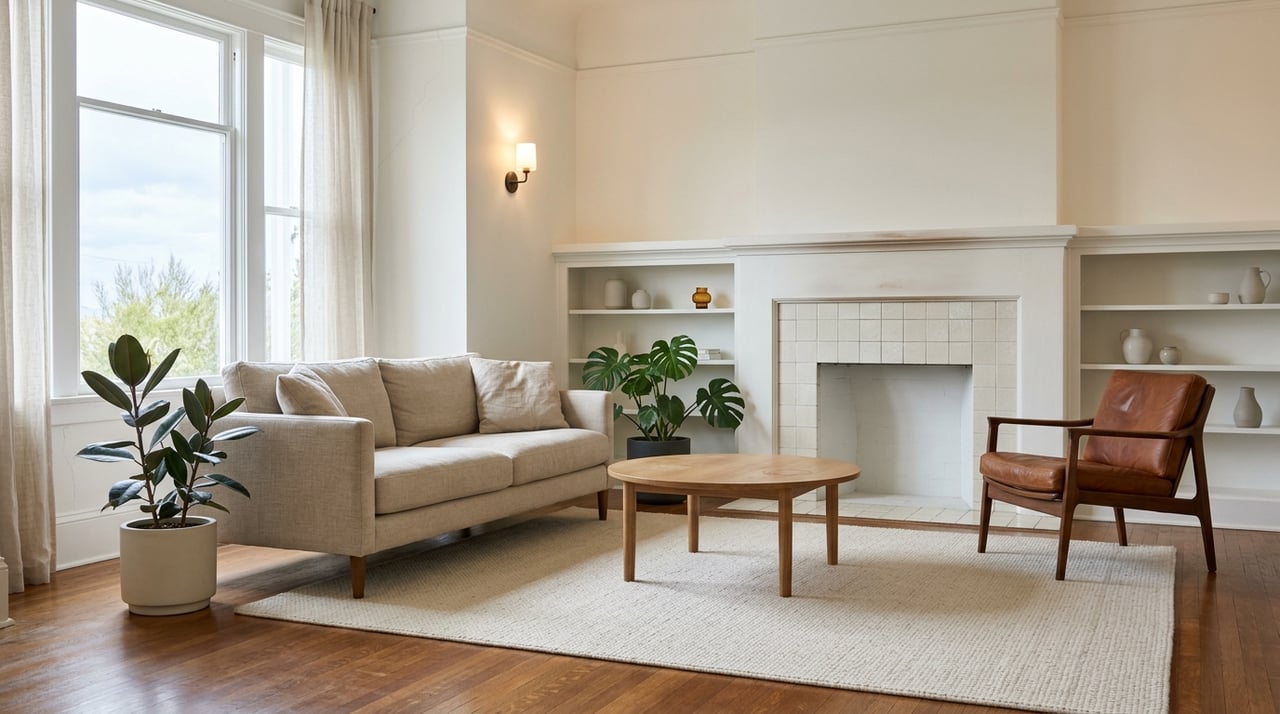
Original millwork, wood floors, built-ins, fireplaces, staircases, and period windows can help a home stand out. These features give buyers a sense of texture and story, which is why a thoughtful selling strategy should showcase them instead of covering them up.
If your property is a designated heritage site or sits within a locally designated heritage district, exterior projects require approval from Saint Paul’s Heritage Preservation Office. The city’s review process is designed to maintain key historic features, historic integrity, and district character.
That matters because even simple exterior changes may need review before work begins. Window replacement, front-door changes, and exterior paint choices are all items worth checking before you hire contractors or order materials.
Saint Paul also encourages early consultation with Heritage Preservation staff. This step can save you time, prevent rework, and help you plan around PAULIE processing, since express permits are not available for historic properties.
When you prepare a historic home for sale, the goal is usually not to make it feel brand new. The better approach is to make it feel well cared for, comfortable, and visually clear.
Preservation guidance supports a rehabilitation mindset, which means adapting a home for current use while keeping its character intact. In practical terms, that often means focusing on fresh paint, deep cleaning, lighting updates, careful repairs, and curb appeal instead of a full top-to-bottom modernization.
Buyers shopping older homes often respond well to signs of stewardship. If your home feels maintained and thoughtfully presented, its age can become an asset rather than a concern.
Not every project carries the same value when you are getting ready to list. Historic homes usually benefit most from selective improvements that polish the experience without erasing original details.
A smart prep plan often includes:
These types of projects line up with what agents report matters most to buyers. According to the 2025 Profile of Home Staging, common seller prep items include decluttering, full cleaning, curb appeal, paint touch-ups, minor repairs, landscaping, and professional photos.
Windows are one of the easiest places to lose historic character by accident. Preservation guidance notes that wood windows are often character-defining features, and repairing or retrofitting existing windows can preserve historic integrity, often at a lower cost than custom replacement.
For many St. Paul sellers, that makes repair a better first question than replacement. It can also make sense to look at air sealing, insulation, and HVAC upgrades before making major material changes, especially if your home is in a designated district.
This does not mean you cannot improve comfort. It means you should think in terms of discreet efficiency and function updates, especially when exterior review rules apply.
Historic homes photograph best when their details have room to breathe. Oversized furniture, heavy decor, and visual clutter can make it harder for buyers to notice the features that give an older home its identity.
A better strategy is to create clean sightlines to original elements like trim, floors, fireplaces, built-ins, and staircases. Lighting also matters. Thoughtful lighting can make spaces feel warm and current without making modern updates compete with period details.
Staging helps buyers imagine daily life in the home, which is one reason it remains such a useful selling tool. In the 2025 NAR staging survey, 83% of buyers’ agents said staging made it easier for buyers to visualize a property as a future home.
The rooms most often prioritized were:
Those spaces are often especially important in older homes, where layout, scale, and architectural detail can vary more than buyers expect.
Historic homes need more than basic listing photos. They need visual storytelling that balances architecture, livability, and condition.
Buyers’ agents rated photos, physical staging, videos, and virtual tours as important listing assets in the 2025 NAR survey. For a historic St. Paul property, that means your presentation should do more than document rooms. It should help buyers understand the craftsmanship and flow of the home.
Professional photography works best when the home is edited carefully. Clear surfaces, balanced furniture placement, open drapery, and warm but natural light can help period features read clearly online.
A historic sale often benefits from a little more strategy before the property hits the broad market. If exterior approvals, repairs, staging, or selective updates are still in progress, rushing to list can undercut the final presentation.
This is where a phased approach can help. Brekken | Tiffany uses Compass tools such as the 3-Phased Marketing Strategy, including Private Exclusive and Coming Soon positioning, to support a more controlled launch while finishing prep and refining timing.
That measured cadence can be especially helpful for historic homes, where details matter and thoughtful preparation often produces a stronger first impression. Instead of exposing the home before it is ready, you can focus on getting the presentation right.
Some sellers want to do the right prep work but would rather not pay those costs upfront. Compass Concierge can front approved home-improvement costs with payment due at closing, subject to program terms.
For a historic St. Paul home, the best fit is usually selective, reversible work. Think staging, painting, flooring refreshes, cleaning, landscaping, and lighting improvements rather than invasive remodeling.
That approach supports the larger goal: preserve the home’s personality, improve comfort and presentation, and bring the property to market with confidence.
Historic homes usually lose value in perception when updates feel generic or out of scale with the house. The goal is not to erase age. It is to reduce distractions.
Before listing, be cautious about:
A calm, design-aware strategy often performs better than a fast, overly aggressive renovation plan.
Selling a historic home in St. Paul is not about making it look like every other listing. It is about helping buyers see the craftsmanship, care, and comfort already built into the property.
When you start early, understand local review rules, and invest in thoughtful presentation, you can bring your home to market without losing the charm that makes it worth noticing. That balance is often where the strongest results begin.
If you are preparing to sell a historic home in St. Paul and want a thoughtful plan for updates, staging, and launch timing, Brekken | Tiffany can help you shape a strategy that respects the home and the market.
Stay up to date on the latest real estate trends.
Jenny Lappegaard
Clients and cohorts alike, appreciate our unique combination of analytics, creativity, and calm leadership style. While working to manage, improve and buy/sell our properties, we realized we were drawn to the idea of helping others with their real estate needs.