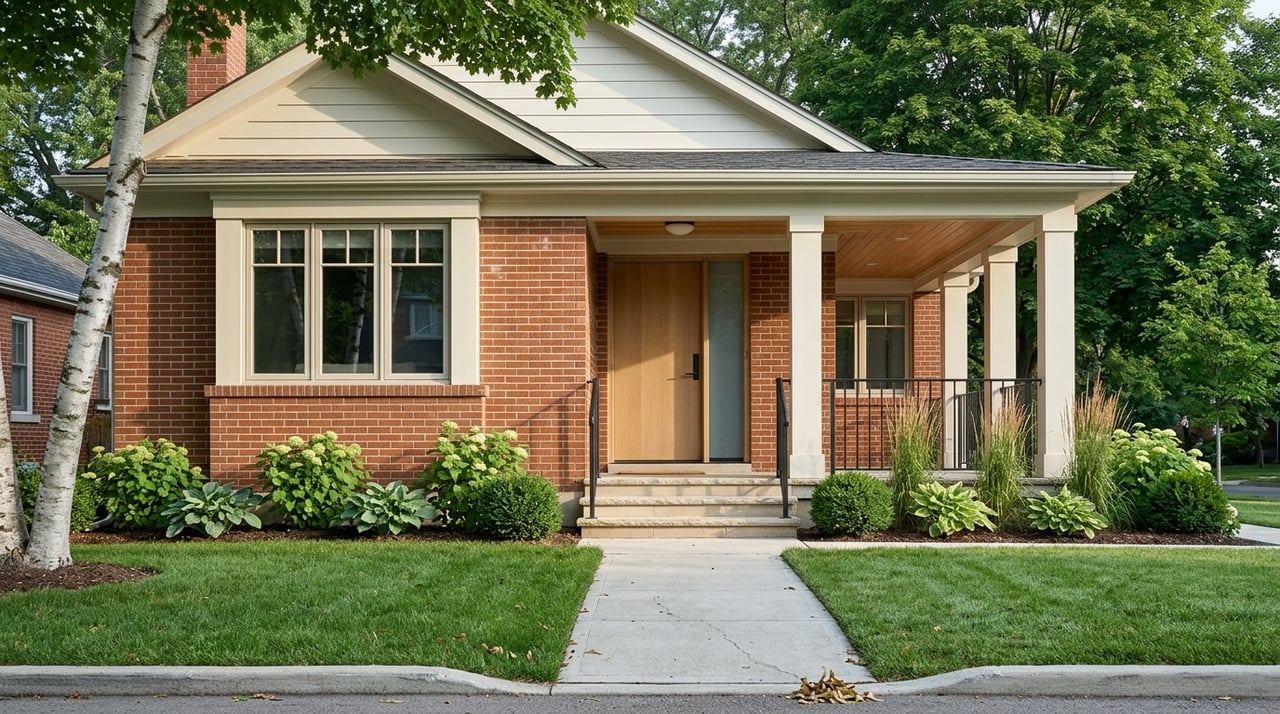
St. Paul’s historic homes have a way of stopping you on the sidewalk. Detailed woodwork, brick, and front porches tell a story you can feel. But buying one also raises real questions about inspections, permits, design review, and long‑term care. In this guide, you’ll learn how to confirm historic designation, add the right inspections, plan for maintenance, and line up financing so you can move forward with confidence. Let’s dive in.
What “historic” means in St. Paul
St. Paul takes preservation seriously. The city’s Heritage Preservation Commission (HPC) oversees local historic designations and reviews exterior changes to locally designated properties and districts. If a property is locally designated, many exterior updates need HPC review and approval.
Not every older home is regulated. A home may be listed on the National Register, which is an honor and can unlock incentives for income‑producing properties, but it does not, by itself, limit what a private owner can do. Local designation is what typically triggers exterior design review.
Confirm designation early
- Ask the listing agent to confirm in writing if the home is in a local historic district or has any preservation restrictions.
- Contact the St. Paul Heritage Preservation Commission (HPC) to verify status, understand what work requires approval, and learn how design review works.
- If you plan to update porches, windows, siding, or site features like fences, ask HPC staff what will need a Certificate of Appropriateness.
Due diligence beyond a standard inspection
A general home inspection is essential, but older homes benefit from a few added tests. A standard inspection is visual and non‑invasive. Industry standards of practice do not include specialty hazardous‑materials sampling, engineered designs, or code compliance opinions. Plan for specialists when the general inspector flags concerns.
Specialist tests to add
- Radon testing. MDH recommends testing every Minnesota home for radon, and a short‑term test during your contingency is common. If levels are high, licensed mitigation is the standard fix.
- Lead‑safe planning. If the home was built before 1978, assume painted surfaces may contain lead. Contractors who disturb paint must follow the EPA Renovation, Repair and Painting (RRP) Rule. Require lead‑safe practices in your contracts.
- Electrical evaluation. Older wiring, including knob‑and‑tube and ungrounded circuits, is common in century‑old homes. Ask a licensed electrician to evaluate any concerns.
- Sewer camera scope. A camera inspection of the sewer lateral can reveal roots, corrosion, or collapsed sections. This is a routine add‑on for older St. Paul properties.
- Chimney inspection. If the home has a masonry chimney or working fireplace, request a Level II chimney inspection before use.
- Structural review as needed. If the inspector notes movement, cracking, or significant moisture, consult a structural engineer or foundation specialist.
- Asbestos check. If materials look consistent with asbestos, hire licensed professionals for testing and any needed abatement.
Who to hire and when
- Start with a licensed general home inspector.
- Layer in licensed specialists for radon, sewer scope, electrical, chimney, and structural items as indicated.
- Schedule the general inspection, radon test, and sewer scope early in the contingency window so you have time to add specialists if needed.
Permits, design review, and timelines
St. Paul requires permits for most interior and exterior work. If the home is locally designated, HPC review is often part of the process. You can check requirements and track permits through the city’s building permits and inspections page.
- Before you file, contact HPC staff if the property is designated. Ask what materials they need and whether your project will go to a hearing.
- Build in extra time for design review when planning exterior changes.
- Keep records of any prior mitigation or permits. Documentation helps with resale and future approvals.
Common repairs and maintenance to plan for
Historic homes reward steady care. A practical plan keeps you ahead of issues and preserves original character.
Safety and moisture first
Address immediate safety items right away, such as electrical hazards, gas leaks, or unstable masonry. Next, manage water. Roofs, flashing, gutters, downspouts, and site grading are your front line against damage. Moisture is the most frequent source of long‑term deterioration in older buildings, and the National Park Service Preservation Briefs offer clear guidance on managing it.
Building systems and envelope
- Heating and cooling. Many St. Paul homes use boilers and radiators. Have a professional assess efficiency, safety, and remaining useful life so you can budget upgrades.
- Masonry and woodwork. Tuckpointing, porch repair, and trim painting are common recurring needs. Use tradespeople familiar with historic materials and methods.
- Windows. Restoring historic wood windows with repairs, weather‑stripping, and storms is often cost‑effective over time and preserves character.
- Plumbing and sewer. Older galvanized supply lines and cast‑iron drains may be near end of life. Plan replacements as part of your long‑term maintenance.
Budgeting smart
Historic projects can uncover hidden conditions. Set aside a 10 to 20 percent contingency for planned renovations. Prioritize safety and water management before cosmetic updates. Ask contractors for written scopes, references, and examples of similar historic work.
Financing renovations the smart way
If you plan significant updates, consider a renovation mortgage that bundles purchase and improvement costs.
- The Fannie Mae HomeStyle Renovation mortgage can finance a purchase plus approved renovation work in one loan. Talk with lenders early so scopes, contractor bids, and appraisals align with program requirements.
- Looking at income‑producing possibilities? Minnesota’s Historic Structure Rehabilitation Tax Credit offers a 20 percent state credit that parallels the federal credit, but it applies only to certified historic structures used for income‑producing purposes. Owner‑occupied single‑family homes generally do not qualify. If you are considering a rental or mixed‑use project, consult SHPO before work begins.
Buyer checklist you can use
Before you offer:
- Confirm local historic designation or district status with the listing agent, then verify with the HPC.
- Write an inspection contingency that covers a general inspection, radon test, sewer scope, electrical and HVAC evaluations, and structural review if recommended.
- For pre‑1978 homes, plan for lead‑safe work if you will disturb paint. Reference the EPA RRP Rule in your contractor language.
During inspections:
- Tackle safety and moisture issues first. Get quotes from licensed specialists for any major findings.
- Use results to negotiate repairs, credits, or price adjustments. For bigger items that need design or pricing time, consider escrow options if your contract allows.
Contractors and documentation:
- Ask for proof of licensing and relevant certifications, especially for lead‑safe renovation and radon mitigation.
- Keep copies of past permits, mitigation records, and manuals for future reference and resale value.
Local resources
- St. Paul Heritage Preservation Commission: designation, review, and guidance. Use the city’s HPC page to confirm status and process.
- St. Paul Building Permits & Inspections: permit rules, express vs. general permits, and the PAULIE portal.
- Minnesota Department of Health, Radon: testing guidance and licensed professionals.
- Minnesota Department of Health: Hiring a Contractor for Lead: how to vet lead‑safe contractors and understand licensing.
- National Park Service Preservation Briefs: technical how‑tos for windows, masonry, porches, and energy efficiency.
- Minnesota SHPO, Historic Tax Credit: eligibility and application steps for income‑producing projects.
Ready to search confidently and protect a home’s character and value? Our team pairs neighborhood expertise with a calm, step‑by‑step process to help you plan inspections, navigate HPC review, and align financing with your goals. If you’re considering a historic home in St. Paul, connect with John Brekken to talk strategy and Work With Us.
FAQs
What does local historic designation mean in St. Paul?
- Local designation typically requires city review for many exterior changes. Contact the St. Paul Heritage Preservation Commission to confirm status and what work needs approval.
Which inspections should you add for a St. Paul historic home?
- Along with a general inspection, add radon testing, a sewer camera scope, electrical evaluation, and chimney and structural reviews as indicated by the inspector.
Do owner‑occupied historic homes qualify for Minnesota’s historic tax credit?
- Generally no. The state credit parallels the federal program and is limited to certified historic structures used for income‑producing purposes, not owner‑occupied single‑family homes.
How do you handle lead paint in a pre‑1978 home?
- Assume painted surfaces may contain lead. Hire contractors who follow the EPA RRP Rule and use certified professionals for any abatement or clearance testing.
Why is a sewer scope important for older St. Paul houses?
- Many older homes have legacy sewer materials prone to corrosion or root intrusion. A camera inspection can reveal issues early and help you budget or negotiate.
Can you replace historic windows, or should you restore them?
- Many historic wood windows can be repaired, weather‑stripped, and paired with storms for efficiency while preserving character. Replacement should be weighed against preservation goals and any HPC requirements.