Have you ever strolled Summit Avenue and wondered what to call those turreted mansions or the tidy porches lining nearby blocks? In St. Paul, architecture tells the story of how the city grew, block by block. Whether you’re buying, selling, or just design‑curious, understanding local styles helps you shop smarter, plan updates, and present a home with confidence. In this guide, you’ll learn how to spot St. Paul’s most common home styles, where you’ll find them, and what to watch during inspections and renovations. Let’s dive in.
How St. Paul’s homes took shape
St. Paul’s earliest boom years in the mid to late 1800s produced ornate Victorian houses concentrated along high‑status corridors like Summit Avenue and the Hill District. City records show Summit’s West Summit Avenue Historic District as a showcase of these grand homes and mansions. You can explore that history in the city’s West Summit Avenue Historic District documentation.
Around 1890 to 1930, streetcar lines drove growth in close‑in neighborhoods. Builders favored efficient, repeatable forms like American Foursquare, Craftsman bungalows, and Colonial Revival houses. The city’s planning study summarizes how these styles filled blocks in places such as Macalester‑Groveland, Merriam Park, Como, and Hamline‑Midway; see the architecture and history context report for maps and trends.
After World War II, new subdivisions expanded at the city’s edges, adding ranch houses, split‑levels, and mid‑century forms. You’ll notice lower rooflines, attached garages, and larger window areas in these postwar neighborhoods. The city’s context report highlights how these patterns appear in Highland Park and other later additions.
Quick ID guide to St. Paul styles
Use these cues to spot local architecture fast. For detailed style definitions, the Minnesota SHPO’s survey manual is a helpful reference. Learn more in the state’s architectural style manual.
Queen Anne and High Victorian
- What you’ll see: asymmetrical façades, varied gables, towers or turrets, wraparound porches, bay windows, and plenty of decorative millwork.
- Inside: formal parlors and dining rooms, tall ceilings, intricate woodwork, and sometimes pocket doors and multiple fireplaces.
- Where in St. Paul: Summit Avenue and Cathedral Hill. The West Summit Avenue documentation and the James J. Hill House profile give rich local context.
Second Empire, Italianate, Romanesque
- What you’ll see: Second Empire mansard roofs with dormers; Italianate brackets and tall, narrow windows; Richardsonian Romanesque heavy stone walls and round arches.
- Inside: wide stair halls, ornate staircases, and formal room sequences in grander examples.
- Where in St. Paul: prominent on 19th‑century boulevards and among institutional buildings.
American Foursquare
- What you’ll see: a boxy two to two‑and‑a‑half story form, low hipped roof with a central dormer, and a full‑width porch; details may lean Prairie, Colonial, or Craftsman.
- Inside: the classic four‑room main floor that flows efficiently from living to dining to kitchen. For a plain‑English description of common cues, see this style overview.
- Where in St. Paul: common across streetcar‑era neighborhoods like Macalester‑Groveland and Merriam Park.
Craftsman and Bungalow
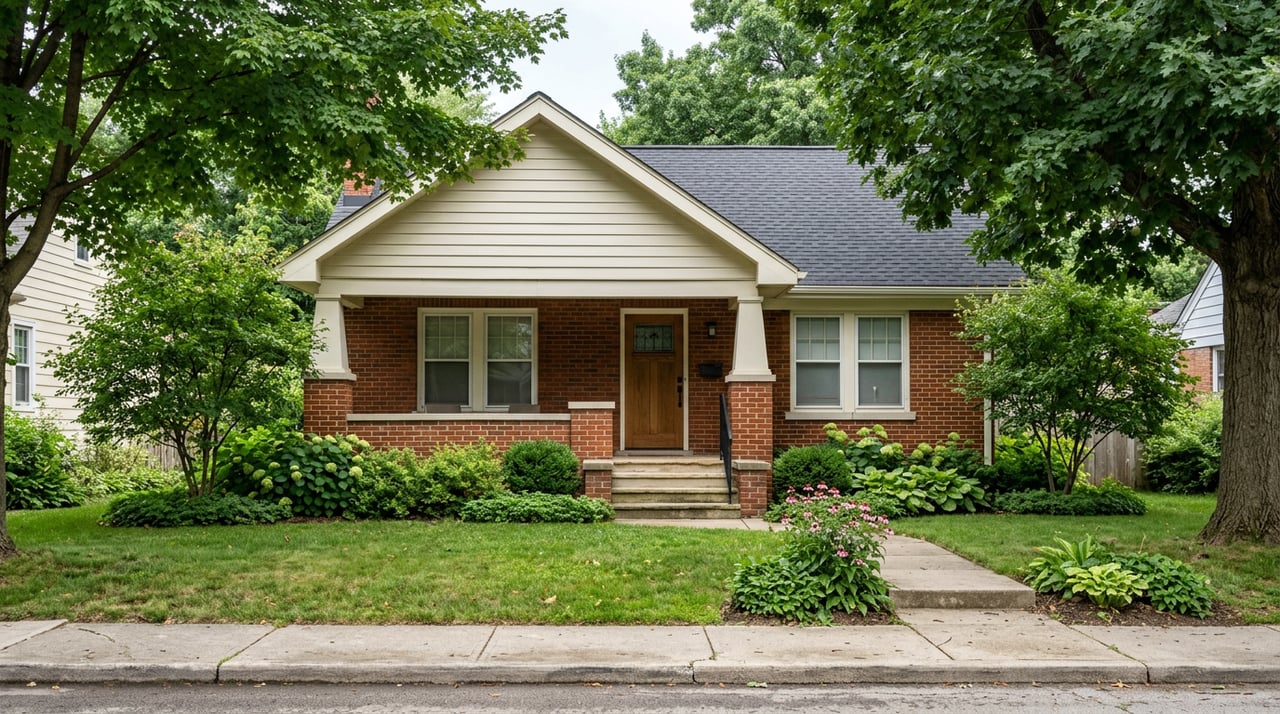
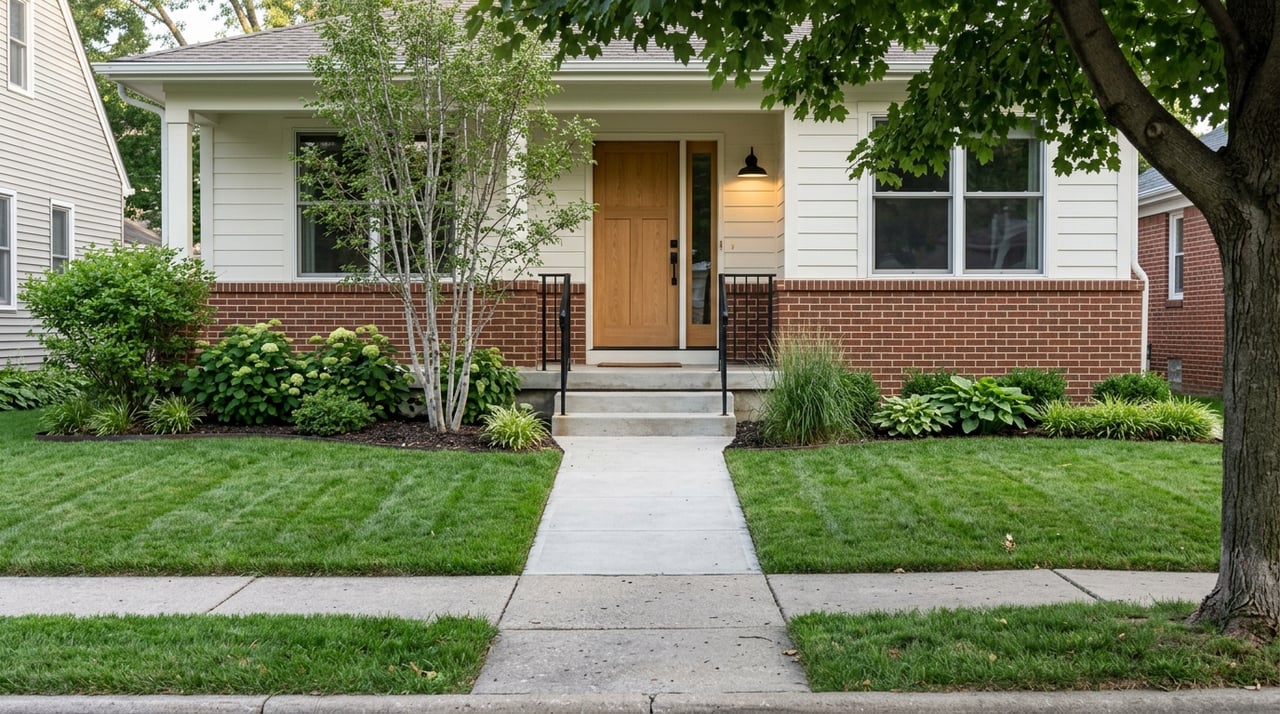
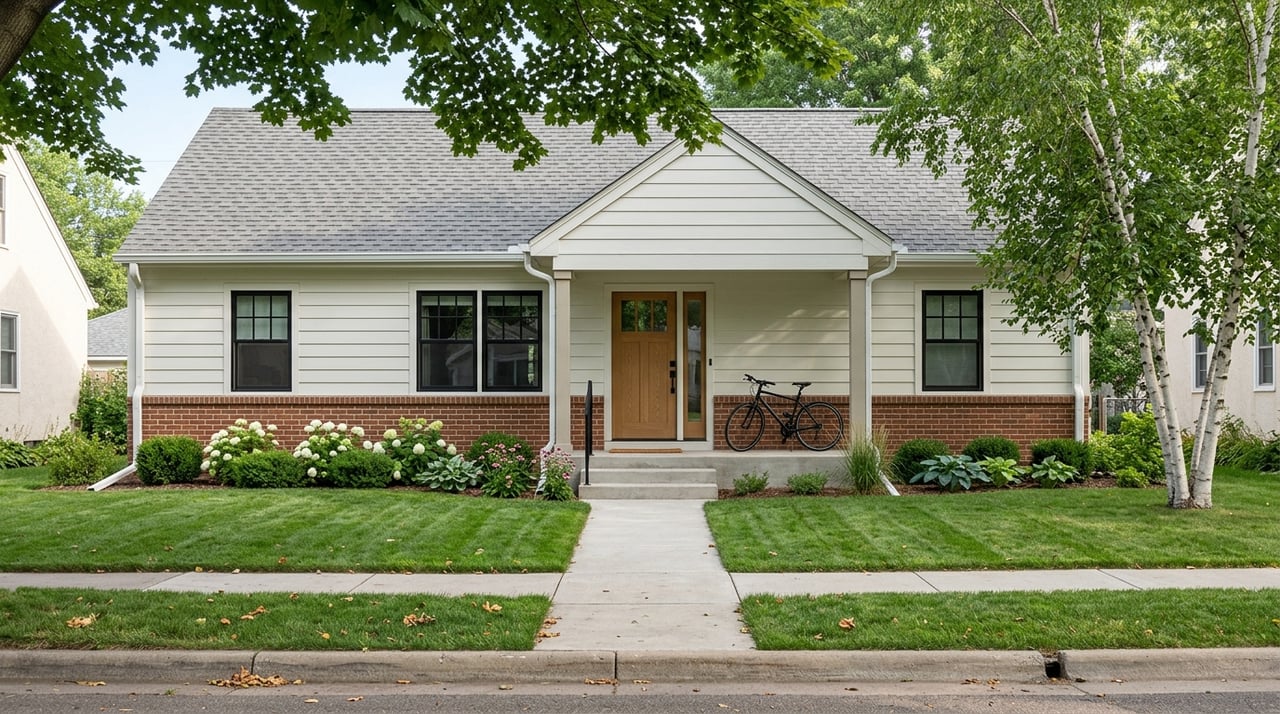
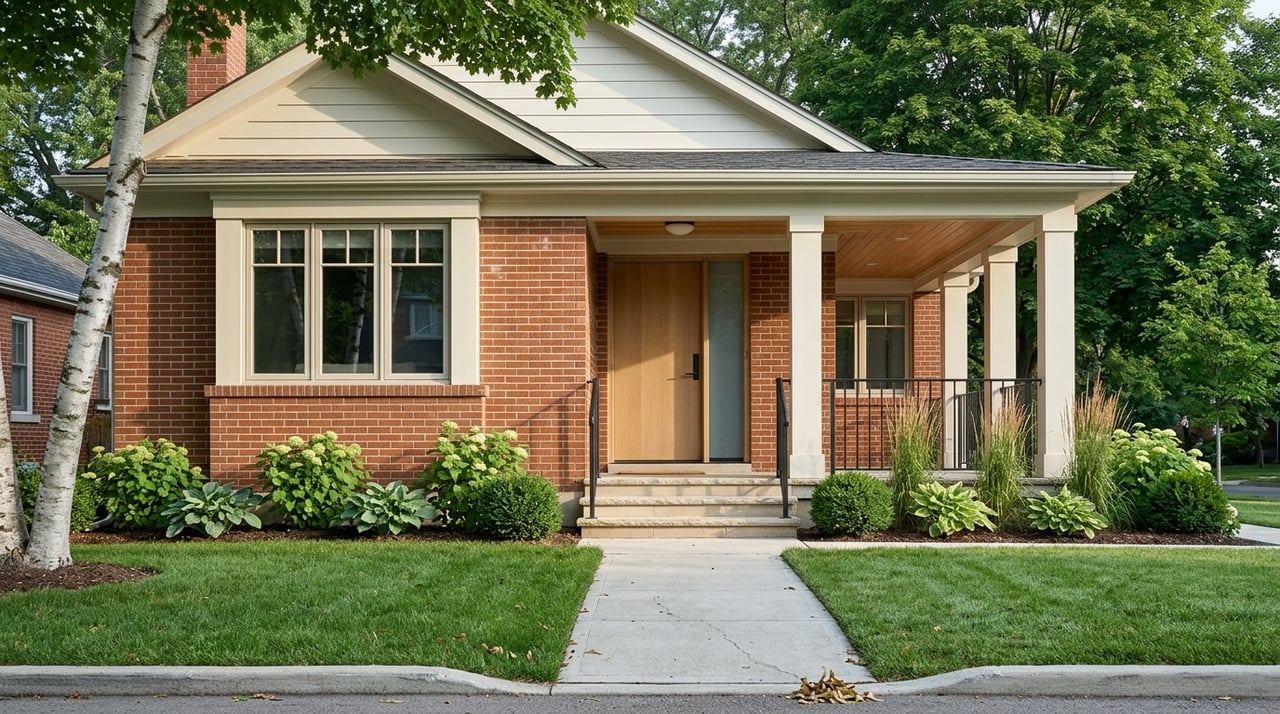
- What you’ll see: one to one‑and‑a‑half stories, low gables, exposed rafter tails, tapered porch columns set on stone or brick piers, and grouped windows.
- Inside: more open living and dining flow, built‑in buffets and bookcases, and a central fireplace.
- Where in St. Paul: widespread in early 1900s neighborhoods served by the streetcar system.
Prairie School influence
- What you’ll see: strong horizontal lines, low‑pitched roofs with broad eaves, and bands of windows. Many Foursquares and Craftsman homes show Prairie details.
- Inside: connected spaces and long sightlines.
Colonial and Georgian Revival
- What you’ll see: symmetrical façades, a centered front door with classical trim, multi‑pane windows, and a tidy, formal feel.
- Inside: center halls, formal living and dining rooms, and classical millwork.
Tudor Revival
- What you’ll see: steep gables, decorative half‑timbering, arched entries, and a mix of masonry and stucco.
- Inside: cozy rooms and occasional exposed beams.
Postwar ranch and mid‑century
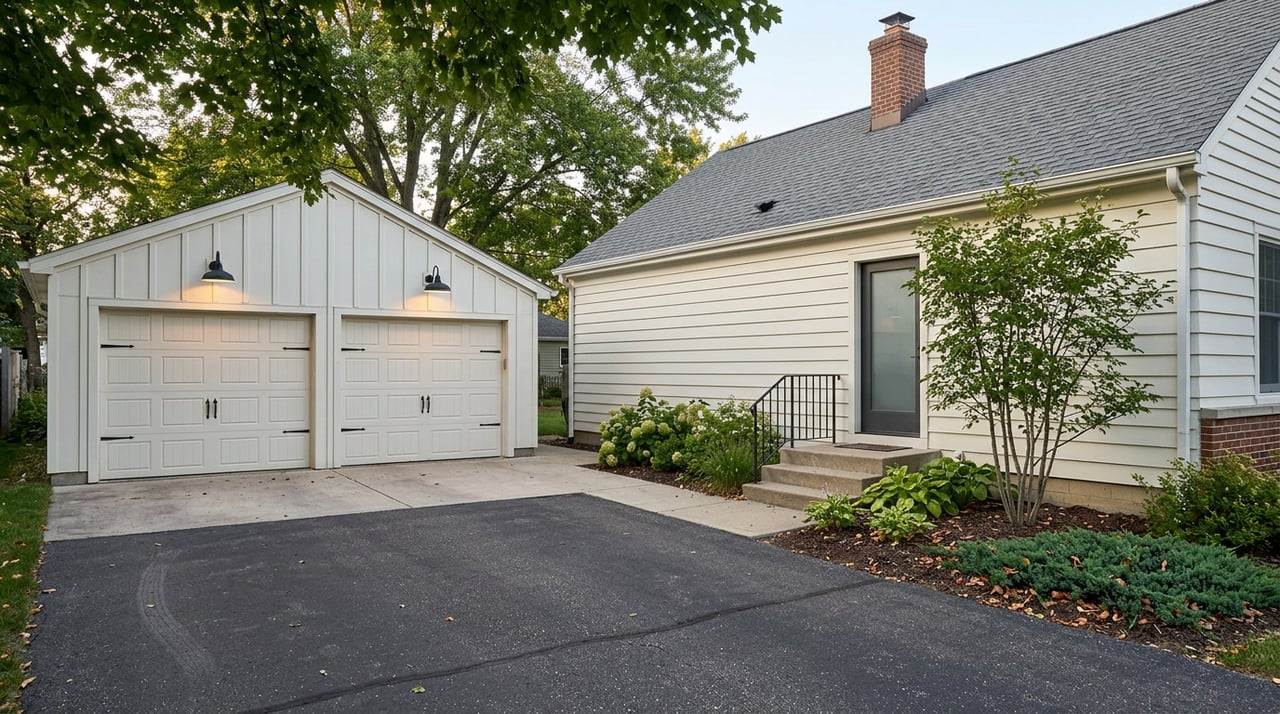
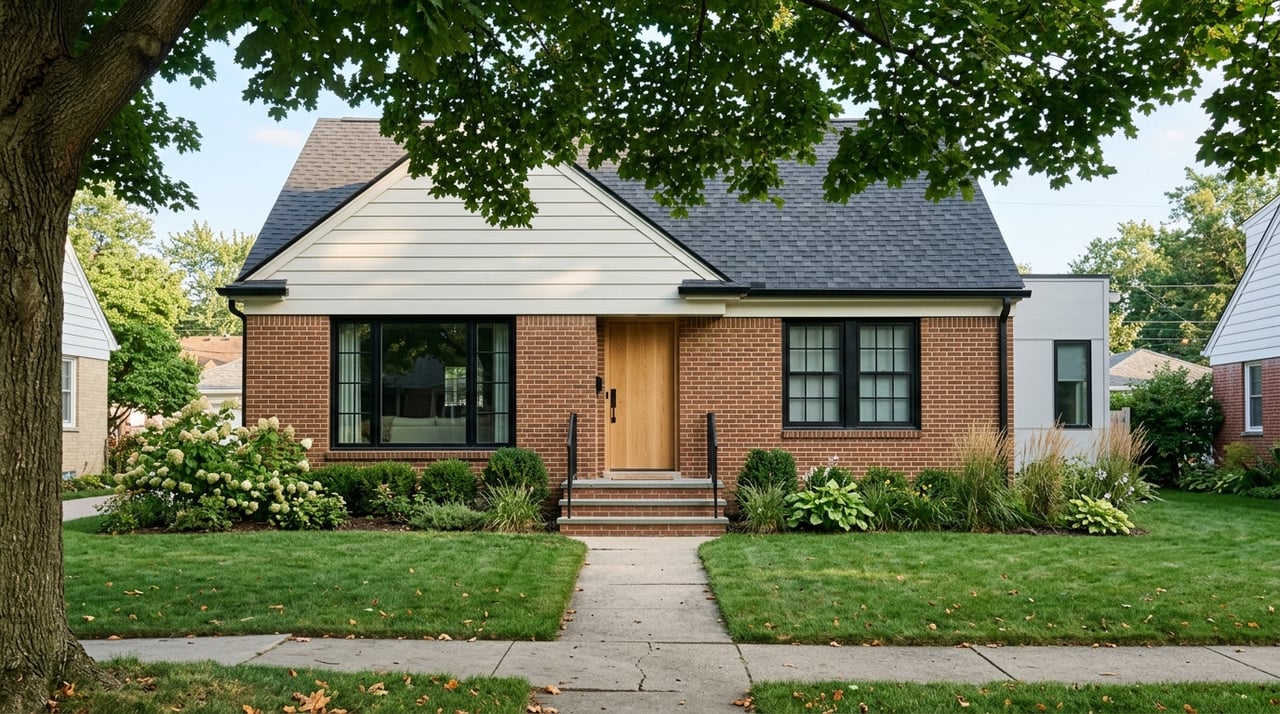
- What you’ll see: single‑story ranches, split‑levels, and later split‑entry plans with attached garages and sliding glass doors; some mid‑century modern examples feature larger glass areas and cleaner lines.
- Where in St. Paul: most common in post‑WWII expansions at the city’s edges, including parts of Highland Park.
Where to find each style
- Summit Avenue, Cathedral Hill, Summit‑University: grand Queen Anne and other high‑Victorian houses, plus Colonial and Georgian Revival details on later homes. Review the West Summit Avenue historic district materials for examples.
- Macalester‑Groveland, Merriam Park, Hamline‑Midway, Como Park: dense streetcar‑era blocks with Foursquares, Craftsman bungalows, Colonial Revival houses, and some Tudors. The city’s architecture context report maps these patterns.
- Highland Park and later subdivisions: more ranch, split‑level, and mid‑century forms tied to postwar growth, documented in the same city study.
What floor plans feel like inside
Understanding typical layouts helps you decide what suits your day‑to‑day life.
- Victorian and high‑style 19th‑century homes: more formal room separation. Expect a parlor, distinct dining room, and sometimes a sitting room or library. Ceilings are tall and rooms can feel gracious and private.
- Craftsman and bungalows: a warmer, more connected living and dining flow with built‑ins as focal points. These homes often make the most of modest lots.
- American Foursquare: simple and efficient, with four primary rooms on the main level and practical bedroom layouts upstairs. Circulation is straightforward, which makes furniture placement easy.
- Colonial and Georgian Revival: a center hall entry with formal rooms to either side. Millwork leans classical and symmetrical.
- Ranch and mid‑century: lower profiles with more horizontal movement, attached garages, and an emphasis on indoor‑outdoor flow.
For a concise style vocabulary and visual cues, the state’s style manual is a useful field guide.
Preservation and inspection must‑knows
If you’re considering updates or buying an older home, a few St. Paul specifics can save you time and stress.
- Heritage districts and design review: Portions of Summit Avenue and other locally designated districts require design review for exterior work. Start early with the city’s Heritage Preservation staff. Find process details on the Saint Paul Heritage Preservation design review page.
- Radon: Minnesota has a high radon burden, and the Department of Health recommends testing every home. Learn testing and mitigation basics on the MDH radon page.
- Lead paint in pre‑1978 homes: federal law requires disclosures for target housing. Review the HUD lead‑based paint disclosure fact sheet if you’re buying or selling an older property.
- Older wiring: pre‑1940s houses may still have knob‑and‑tube or cloth‑insulated wiring. A licensed electrician should evaluate these systems for safety and insurance purposes. See the Electrical Safety Foundation overview.
- Cold‑climate care: ice dams, attic heat loss, and freeze‑thaw wear are common Minnesota concerns. The Star Tribune’s ice dam guide outlines prevention and removal basics.
- Historic tax incentives: federal credits apply to qualifying rehabilitation of historic income‑producing buildings, not owner‑occupied single‑family homes. Start with the National Park Service program overview, and consult a tax advisor for specifics.
Smart checklists for buyers and sellers
Use these quick wins to protect your budget and timeline.
- Verify permits for major systems like the electrical panel, furnace, and any additions.
- Add a radon test to your inspection, then follow up with a longer test if initial results indicate it. MDH explains testing paths on the radon test results page.
- For pre‑1978 homes, expect a lead paint disclosure and consider a targeted risk assessment for windows and high‑wear painted surfaces. Refer to the HUD fact sheet.
- If older wiring is suspected, bring in a licensed electrician and confirm your insurance carrier’s requirements. Learn basics from the ESFI overview.
- If the home sits in a designated historic district, contact the city’s Heritage Preservation office early, since design review can affect schedules and budgets. Start at the city’s design review page.
Style‑smart marketing tips for sellers
If you’re preparing to list, highlight what’s architecturally special and make it easy for buyers to picture life there.
- Curate your focal points: polish built‑ins, refinish a porch floor, and make original windows and millwork photo‑ready. Neutral walls and uncluttered surfaces let period details shine.
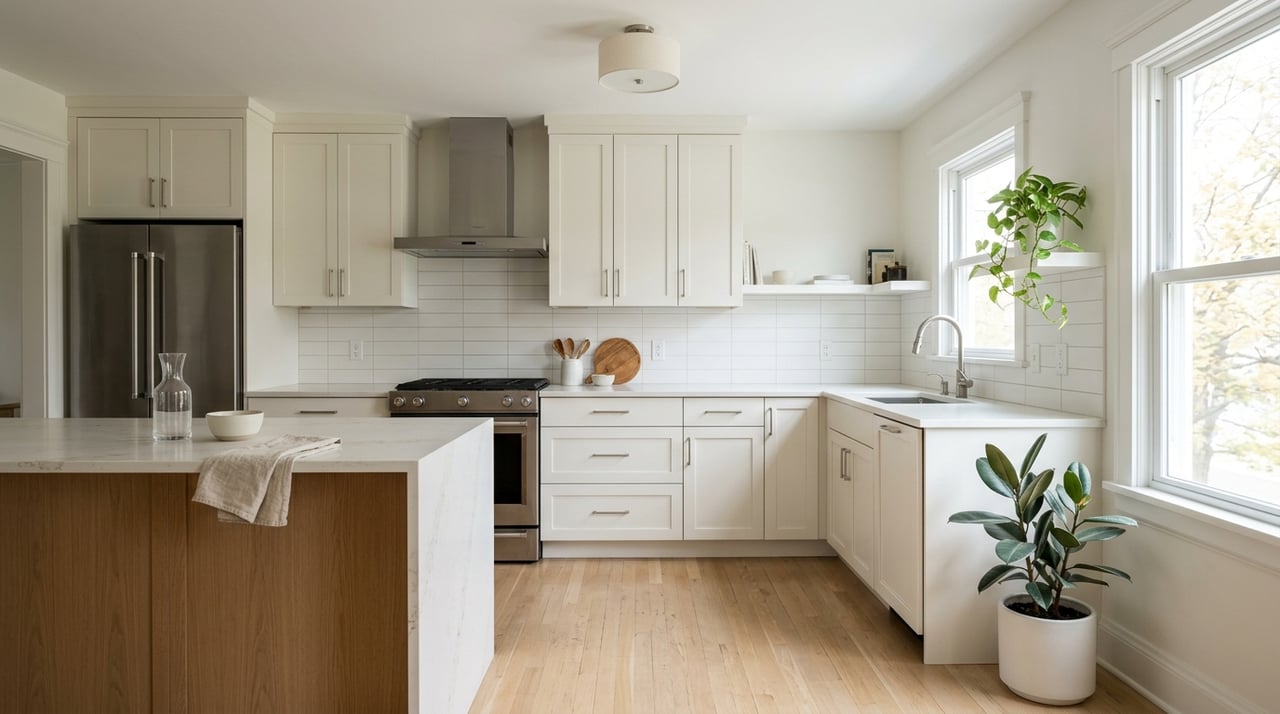
- Balance old and new: small updates like updated lighting, hardware, and thoughtful paint choices can bridge period character with modern living.
- Tell the story: call out authentic elements in your description, using clear terms like “Craftsman porch piers” or “Foursquare box with central dormer.” Buyers searching by style will spot those phrases.
- Sequence your launch: a deliberate, phased strategy helps you test pricing and build demand before the full launch. Our team uses a three‑phase marketing approach with pre‑market positioning to control exposure.
- Consider preparation support: if projects or staging would elevate your presentation, ask about options that front costs for improvements and repay at closing. It can be a practical way to maximize first impressions.
Ready to explore?
Whether you love a turreted Queen Anne, a sun‑lit Craftsman, or a clean mid‑century line, St. Paul has a style that fits how you live. If you want help zeroing in on the right neighborhoods, planning smart inspections, or positioning a distinctive home for market, let’s talk. Connect with John Brekken to start a style‑savvy plan that respects your goals and timeline.
FAQs
What are the most common home styles in St. Paul and how do I identify them?
- You’ll often see Queen Anne and other Victorians near Summit Avenue, plus Foursquares, Craftsman bungalows, and Colonial Revival homes in streetcar neighborhoods; look for turrets and ornate trim on Victorians, a boxy hipped roof with a central dormer on Foursquares, and low‑gabled roofs with tapered porch columns on Craftsman houses, using the state’s style manual as a reference.
Where in St. Paul should I look for Victorian homes like the ones on Summit Avenue?
What inspections are especially important when buying an older St. Paul home?
- Add radon testing, consider lead paint risk if the home was built before 1978, have an electrician evaluate older wiring if present, and check cold‑climate concerns like roof condition and attic insulation; start with the MDH radon page and the HUD lead fact sheet.
Do I need approval to change the exterior of a home in a St. Paul historic district?
Do federal historic tax credits apply to single‑family homes in St. Paul?
- Federal rehabilitation tax credits generally apply to qualifying work on historic income‑producing properties, not owner‑occupied single‑family homes; review the National Park Service program overview and consult a tax advisor if your property is commercial or rental.